There’s a quiet kind of irritation that builds when your dryer starts taking longer than it used to. You toss in a normal load of laundry, hit start, and expect the usual hum and warmth. An hour later, the jeans are still damp at the seams and the towels feel… vaguely disappointing. Not wet, exactly. Just not dry.
It’s one of those household problems that creeps up slowly. You don’t notice it at first. Then suddenly you’re running two cycles for what used to take one. That’s when you realize something’s off.
If you’re dealing with extended drying times, you’re not alone. It’s one of the most common dryer complaints, and thankfully, it often has a logical explanation.
The Airflow Issue Nobody Talks About Enough
Before diving into complicated mechanical failures, start with airflow. Dryers don’t just rely on heat; they rely on moving hot air efficiently through the drum and out of the vent system.
A clogged lint trap is the obvious place to check. But here’s what people miss: lint builds up beyond the trap. It collects in the vent hose, inside the ductwork, even in the external vent cap outside your home. Over time, that buildup restricts airflow enough to slow everything down.
When air can’t move freely, moisture has nowhere to go. The dryer keeps running, but clothes stay damp. You may also notice the outside of the machine feeling hotter than usual. That’s the dryer working harder than it should.
Cleaning the vent system once a year—sometimes more if you have a large household—can make a noticeable difference. It’s not glamorous maintenance, but it matters.
When the Heat Just Isn’t There
Sometimes airflow isn’t the problem. The drum spins. The timer advances. But the clothes never feel warm. That’s usually a sign of insufficient heat, and the causes can vary depending on whether you have a gas or electric dryer.
In electric models, the heating element may have burned out. It’s a common wear item, especially in homes that run frequent loads. Thermal fuses and high-limit thermostats can also fail, often as a response to overheating or restricted airflow earlier on.
Gas dryers have their own quirks. A faulty igniter, weak gas valve coils, or a flame sensor issue can prevent proper heating. You might hear clicking as the dryer tries to ignite, but no sustained flame.
What’s tricky is that some heating components fail intermittently. The dryer might heat during one cycle and stay cold during the next. That inconsistency can make diagnosis feel like guesswork.
Subtle Clues Your Dryer Is Struggling
Dryers are mechanical systems. They rarely go from perfect to broken overnight. Instead, they offer hints.
Maybe your clothes come out hot but still damp. Maybe you notice a faint burning smell. Maybe the laundry room feels unusually humid after a cycle. These small details tell a story.
A worn drum seal can allow air to escape. A failing blower wheel may reduce airflow inside the cabinet. Even something as simple as overloading the drum can slow drying performance significantly.
It’s easy to assume “the dryer is just old.” But often, there’s a specific, fixable reason behind the slowdown.
The Role of Load Size and Habits
Let’s be honest—most of us overload the dryer from time to time. Especially when we’re in a hurry. But cramming too many items inside restricts airflow between fabrics. That means moisture can’t evaporate efficiently.
Fabric type also matters. Heavy towels and denim retain more water. Mixing lightweight shirts with thick bath mats can lead to uneven drying, where some items finish early and others lag behind.
It sounds basic, but adjusting how you load the dryer can sometimes solve performance issues without touching a screwdriver.
When It’s Time to Call in the Experts
There’s a point where DIY troubleshooting reaches its limit. If you’ve cleaned the vents, checked the lint trap, adjusted load sizes, and the problem persists, it might be time for professional diagnostics.
Modern dryers, especially newer models, have control boards, sensors, and safety mechanisms that aren’t always obvious to the untrained eye. Moisture sensors can malfunction. Control panels can misread temperature data. Wiring connections can loosen over time.
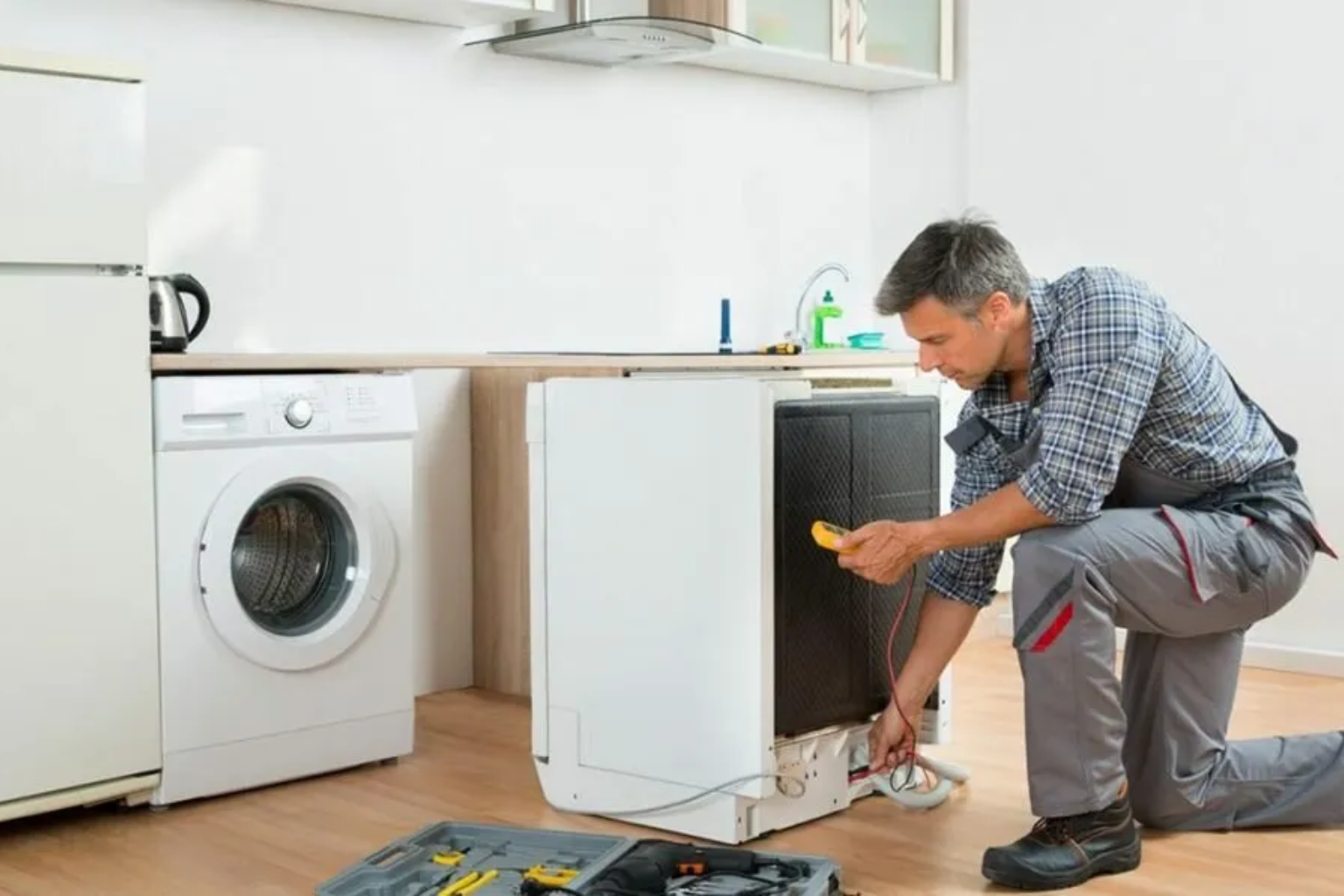
A technician has tools and experience to test components accurately. They can measure voltage to the heating element, inspect gas valve operation, and verify thermostat function in ways most homeowners simply can’t.
It doesn’t mean you’ve failed by calling for help. It means you’ve ruled out the simple fixes and need a deeper look.
Repair or Replace? The Honest Conversation
Dryers typically last 10 to 15 years, sometimes longer with proper care. If yours is nearing that age and facing a major repair—like a motor replacement or control board failure—it may be worth evaluating the cost of replacement.
On the other hand, a faulty thermostat or heating element is usually a reasonable repair.
There’s no perfect formula. It depends on your budget, the condition of the machine overall, and how reliable it’s been up to this point.
Sometimes, repairing an older dryer feels like patching up an old car. Other times, it gives you several more years of dependable service.
A Final Thought on Patience and Prevention
Appliances are funny. We barely notice them when they work. When they don’t, they disrupt our routines in surprisingly frustrating ways.
If your dryer starts slowing down, resist the urge to ignore it. Small issues tend to grow. Regular vent cleaning, mindful loading, and occasional inspection can prevent bigger headaches down the road.