
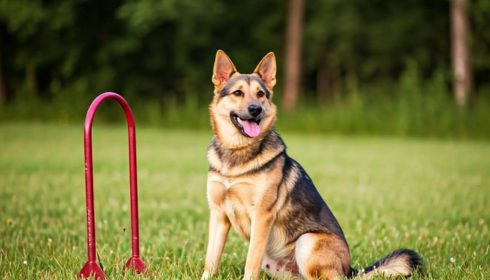
Dog obedience techniques can make the difference between daily frustration and a calm, manageable routine with a dog. In Phoenix, where dogs often encounter neighborhood noise, visitors, public parks, outdoor patios, traffic, and frequent distractions, obedience must work in real life, not only in a quiet practice setting. That is why the strongest training techniques focus on clarity, repetition, and practical application. Google’s current Search guidance also continues to emphasize helpful, reliable, people-first content and core SEO fundamentals rather than gimmicks, which makes a topic like this especially valuable when it is written to genuinely help readers solve real problems.
Many owners begin looking into dog obedience techniques when certain patterns start affecting everyday life. A dog may pull on the leash, ignore recall, bark when someone arrives, jump on guests, or lose focus outdoors. These behaviors often look like simple disobedience, but in many cases they come from weak structure, inconsistent communication, or training that never carried into distracting environments. Good obedience techniques help replace confusion with clear expectations and repeatable habits.
Why Dog Obedience Techniques Matter
Dogs learn through repeated patterns. If a dog pulls and still gets to move forward, the dog learns that pulling works. If jumping leads to attention, the dog learns that jumping works. If recall is practiced only indoors, the dog may learn that coming back matters only in one environment. Strong dog obedience techniques matter because they create patterns that teach the dog how to succeed in more situations.
Useful obedience training often supports:
- Better leash manners
- More reliable recall
- Calmer greetings
- Improved focus around distractions
- Better impulse control
- More predictable behavior at home
- Stronger listening in public settings
These outcomes matter because obedience is not just about commands. It is about making daily life smoother, safer, and less stressful.
What Good Dog Obedience Techniques Actually Do
A lot of people think obedience is just a list of commands like sit, stay, down, and come. Those commands are important, but dog obedience techniques should go deeper than memorization. Real obedience teaches a dog how to pause, focus, respond clearly, and stay connected to the handler when life gets busy.
Strong techniques usually help a dog learn:
- What the command means
- How to respond consistently
- How to repeat that response in different settings
- How to stay engaged when distractions appear
- How to recover more calmly from excitement
That is what makes obedience useful in the real world. A dog that only obeys in a quiet room still needs more training.
Dog Obedience Techniques Begin With Clarity
One of the most effective dog obedience techniques is simply making the communication clearer. Dogs do not naturally understand what people expect. They learn through repetition, timing, and consistency. If the command word changes often, if the reward comes too late, or if different people handle the dog differently, confusion grows quickly.
Clear training usually means:
- Using the same cue words every time
- Rewarding the right behavior quickly
- Practicing one step at a time
- Avoiding mixed signals
- Keeping expectations realistic for the dog’s stage
This kind of clarity also reflects Google’s SEO Starter Guide, which explains that effective improvements are usually based on understandable fundamentals that help people and systems better understand what is being presented.
Consistency Is One of the Most Important Dog Obedience Techniques
A dog that gets corrected for a behavior one day and rewarded for the same behavior the next day will struggle to improve. That is why consistency is one of the most important dog obedience techniques. Consistency does not mean harshness. It means the same command should lead to the same expectation, and the same correct response should be reinforced often enough for the dog to understand the pattern.
Consistency usually matters in:
- Command words
- Household rules
- Walk routines
- Greeting behavior
- Reward timing
- Follow-through after commands
Dogs often improve faster when the environment becomes more predictable.
Dog Obedience Techniques Should Use Gradual Progression
Many training problems happen because the dog is pushed too far too fast. A dog may know “sit” inside the home, but that does not mean the same dog is ready to sit calmly in a busy park. Strong dog obedience techniques rely on gradual progression. The dog first learns the behavior in a lower-distraction setting, then practices it with slowly increasing difficulty.
A gradual training path often looks like this:
- Learn the command in a quiet setting
- Repeat it until the response becomes clearer
- Add mild distraction
- Increase duration or distance
- Practice in more realistic environments
- Reinforce success often
This progression helps prevent frustration for both the dog and the owner.
Reward Timing Is a Powerful Dog Obedience Technique
A dog needs to know exactly which behavior earned the reward. If the reward comes too late, the dog may connect it to the wrong action. That is why timing is one of the strongest dog obedience techniques available. Fast, clear reinforcement helps the dog understand what behavior should happen again.
Good reward timing can help with:
- Teaching a faster sit or down
- Reinforcing calm leash walking
- Strengthening recall
- Rewarding focus during distractions
- Encouraging calm greetings
- Building better place or settle behavior
The reward does not always have to be food. It can also be praise, a toy, movement, or access to something the dog wants, as long as the timing stays clear.
Dog Obedience Techniques for Leash Walking
Leash pulling is one of the most common daily frustrations. It often continues because the dog learns that pulling still leads somewhere. Effective dog obedience techniques for leash walking focus on engagement, calm movement, and reinforcing the moments when the leash stays loose.
Helpful leash techniques often include:
- Rewarding the dog for staying near the handler
- Stopping forward movement when pulling begins
- Reinforcing check-ins during the walk
- Keeping early practice sessions shorter
- Building difficulty gradually in busier places
In Phoenix, this matters especially because daily walks often include traffic, other dogs, outdoor sounds, and neighborhood distractions that test focus fast.
Dog Obedience Techniques for Recall
Recall is one of the most valuable obedience skills because it affects both safety and freedom. A dog that comes when called can be managed more confidently in many situations. Strong dog obedience techniques for recall focus on making returning to the handler rewarding, clear, and worth repeating.
Effective recall work often includes:
- Starting in a low-distraction environment
- Using one consistent recall cue
- Rewarding every successful return early in training
- Avoiding the habit of repeating the command many times
- Building distance and distractions slowly
A dog should learn that coming back leads to something positive and predictable. That makes the behavior easier to repeat when it matters most.
Dog Obedience Techniques for Guest Greetings
Jumping on visitors is common because it often earns exactly what the dog wants, which is attention and interaction. Useful dog obedience techniques for greetings usually focus on teaching a more appropriate replacement behavior instead of only reacting after the jump happens.
That may include teaching the dog to:
- Sit before receiving attention
- Go to place when the door opens
- Wait briefly before greeting
- Stay calm while guests enter
- Earn interaction by keeping four paws down
This type of training is practical because guest greetings are one of the most frequent moments where obedience either helps daily life or makes it harder.
Why Real-World Practice Matters
A dog may perform beautifully during practice and still struggle during real routines. That is not unusual. Dogs do not automatically generalize a lesson from one setting to another. That is why the best dog obedience techniques always move toward real-life practice after the dog understands the basics.
Real-world training may include:
- Practicing walks in active neighborhoods
- Holding commands near mild outdoor distractions
- Greeting visitors more calmly at home
- Building recall in a secure outdoor area
- Settling after stimulating routines
Google’s guidance on helpful content similarly emphasizes usefulness and alignment with what real people need, rather than creating content only for search engines. In the same way, obedience should be built for real situations, not just ideal practice moments.
Dog Obedience Techniques Also Teach the Owner
One of the most overlooked parts of dog training is the owner’s role. Timing, tone, and consistency all come from the person handling the leash. That means the best dog obedience techniques should improve owner skill too, not just dog behavior.
Owners often need to learn how to:
- Give cues clearly
- Reward the correct response faster
- Avoid repeating commands too often
- Stay consistent across different routines
- Notice early signs of overstimulation
- Build short, useful practice sessions
Better owner clarity often leads to faster dog progress.
Common Mistakes That Weaken Obedience Techniques
Some training methods fail not because the idea is bad, but because the execution becomes inconsistent. Common problems include:
- Giving the cue too many times
- Rewarding too late
- Expecting too much too soon
- Practicing only in one setting
- Allowing household rules to change often
- Ending sessions only after mistakes
Strong dog obedience techniques work best when the training stays simple, repeatable, and fair.
A Local Option in Phoenix
For dog owners who want practical help applying strong dog obedience techniques, Rob’s Dog Training Business is located at 4204 E Indian School Rd Phoenix, AZ 85018. The business serves dog owners who want better daily behavior, stronger communication, and more dependable obedience at home and in public settings.
A local option like this can support goals such as:
- Better leash manners
- Stronger recall
- Calmer greetings
- Better focus outdoors
- More reliable household obedience
More information about services is available at https://robsdogs.com/.
Practical Tips to Start Using Better Techniques Today
A few simple habits can strengthen dog obedience techniques right away:
- Use one cue word for each behavior
- Reward the correct response quickly
- Keep sessions short and focused
- Practice before distractions become overwhelming
- Build difficulty gradually
- Stay consistent with household rules
- Focus on progress, not perfection
Small repeated improvements usually matter more than one long training session.
Conclusion
Dog obedience techniques are most effective when they are clear, consistent, and tied to real daily life. Strong training does more than teach commands. It builds better communication, better habits, and better routines that hold up when distractions appear.
For dog owners in Phoenix, Rob’s Dog Training Business offers a local path toward stronger obedience, better manners, and more manageable daily behavior. With the right techniques and enough consistent practice, many common frustrations can become teachable moments that lead to lasting progress.