There’s nothing quite as frustrating as a slow-draining sink or a toilet that bubbles like a science experiment gone wrong. You plunge, you pour chemicals, maybe even snake the line—and still, that gurgle returns like a bad habit. Sound familiar?
Sometimes, pipes just need a good old-fashioned deep clean. Not the DIY kind, but something more… powerful. That’s where hydro jetting steps in like the superhero you didn’t know your plumbing system needed.
Not Just a Fancy Term — What Is Hydro Jetting, Really?
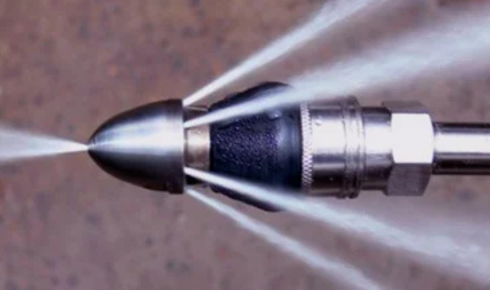
Picture this: a stream of water so strong, it can blast through years of grime, grease, sludge, and even tree roots. That’s the essence of hydro jetting. It’s not magic—it’s science. This technique uses a specialized nozzle that sprays water at extremely high pressure inside your pipes, scrubbing the insides clean like a car wash for your plumbing.
It’s like sending a pressure washer down into your drain system, only a thousand times more precise (and less messy, thankfully).
Why It Beats the Snake — Every Time
Let’s talk plumbing snakes. Sure, they’re handy. They twist and scrape and break up minor clogs. But they’re like that friend who sweeps the dust under the rug instead of actually cleaning the floor.
Snakes punch holes. Hydro jets clear the path.
If you’ve got recurring blockages or you’re tired of the smell coming back no matter how many times you clean the sink, you might be dealing with build-up lining the pipes. Hydro jetting doesn’t just poke through—it strips all that buildup off the pipe walls, leaving them slick and fresh.
And the best part? No harsh chemicals. Just high-pressure water doing its thing.
Who Should Consider It?
If you’re a homeowner who’s never had their drains professionally cleaned, chances are your pipes are holding onto years—maybe decades—of sludge. Cooking grease, hair, soap scum, mineral deposits… it all adds up. Over time, your plumbing narrows like an artery clogged with cholesterol.
Hydro jetting is particularly great for:
- Restaurants and commercial kitchens
- Older homes with cast iron or clay pipes
- Households dealing with frequent clogs
- Roots intruding from nearby trees
- Property owners prepping for resale inspections
It’s also a go-to method when traditional snaking just doesn’t cut it anymore.
Is It Safe for All Pipes?
Ah, the million-dollar question. The truth? Most of the time, yes. But there’s a catch.
Hydro jetting is powerful—sometimes too powerful. That’s why a responsible plumber will always inspect the pipes first. If you’ve got fragile or damaged lines, or old corroded joints, hydro jetting might do more harm than good.
In those cases, gentler methods or even pipe replacement might be the better route. But for solid pipes in decent condition, hydro jetting is not just safe—it’s smart maintenance.
What Does the Process Look Like?
Don’t worry, it’s not as invasive as it sounds. There’s no need to tear up your floors or knock down walls. Most hydro jetting services are done through access points like cleanouts or exposed pipe sections outside the home.
The technician will:
- Inspect the pipes (usually with a camera) to assess condition and locate the blockage
- Insert a specialized nozzle connected to a powerful jetting machine
- Release pressurized water through the pipe system, flushing debris toward the sewer or septic system
- Check flow post-treatment to ensure everything’s draining smoothly
In most cases, the entire process is done in under two hours. Quick, effective, and oddly satisfying.
How It Helps in the Long Run
You might be wondering—is it worth the money? Short answer: yes.
Think of hydro jetting as preventative maintenance. It doesn’t just fix a clog; it resets your pipes. When done right, it can reduce your need for frequent plumber visits, minimize damage risk, and even improve overall water flow.
You wouldn’t skip oil changes on your car, right? Hydro jetting works kind of like that—routine care to keep the system humming.
Environmentally Friendly? You Bet.
One of the most overlooked benefits is how eco-conscious hydro jetting is. Unlike chemical drain cleaners that introduce toxins into water systems, this process uses one thing only—water. No bleach. No lye. No acidic runoff.
It’s plumbing that works with nature, not against it.
So if you’re someone who likes your solutions clean, green, and effective, this one checks all the boxes.
DIY or Call the Pros?
Now before you go Googling “rent a hydro jet machine,” let’s pump the brakes. While it may seem tempting to tackle this yourself, the pressure used in these systems can be extremely dangerous if not handled correctly. We’re talking 4,000 PSI (pounds per square inch)—enough to cause injury or wreck your pipes if you’re not trained.
This isn’t a job for a weekend warrior.
Professionals not only bring the equipment, but also the experience and the safety checks to ensure everything goes smoothly.
That One Time It Saved a Basement
Let me tell you a quick story.
A couple in an older Carlsbad home had been battling slow drains for months. They tried snaking. They tried enzymes. Nothing worked. Then one day, their basement toilet erupted like a geyser. Disaster.
Turns out, years of tree root infiltration had nearly closed off their main sewer line. One quick inspection and a round of hydro jetting later, their system was flowing like new.
Sometimes, that’s all it takes to clear blockages that have been quietly building for years.
Final Thoughts Over a Cup of Coffee
Plumbing’s one of those things you don’t really think about—until it doesn’t work. And when it doesn’t, it’s never convenient.
Hydro jetting is that behind-the-scenes solution that can save you time, stress, and long-term repair costs. Whether you’re dealing with gunk buildup, stubborn clogs, or just want your plumbing running like it did when the house was new, this method is worth considering.
So the next time your pipes start talking back, you’ll know exactly what to do: call in the water-powered reinforcements.