Let’s be real. Life is full of decisions — from choosing oat milk or almond to deciding if the fancy tech on your wishlist is actually worth the hype. One item that’s quietly made its way into modern homes (and heated conversations) is the air purifier. But the question lingers: Do i need an air purifier, or is it just another sleek gadget gathering dust in the corner?
Let’s peel back the buzz and talk plainly — like two friends chatting over coffee with the window cracked open.
What’s Actually in the Air You Breathe?
We like to believe the air in our homes is clean — after all, it smells fine, right? But invisible doesn’t mean harmless. Between pet dander, pollen, dust mites, mold spores, cooking fumes, VOCs (volatile organic compounds), and the occasional wildfire smoke drifting in from miles away, indoor air can be sneakily polluted.
And here’s the kicker: indoor air can sometimes be two to five times more polluted than the air outside, according to the EPA. That stat alone makes you want to rethink the air you’re breathing while binging Netflix or catching up on emails, doesn’t it?
So… Do I Need an Air Purifier?
Let’s answer this the human way — not with sales jargon or fear tactics.
If you’ve got allergies, asthma, sensitive lungs, or live in a city that gets occasional smog alerts — then yes, you probably do. And even if you don’t, but you live with pets (hello cat hair), burn incense, cook a lot with spices, or live near traffic or construction, then guess what? You might benefit too.
The truth is, an air purifier isn’t a cure-all. But it can help reduce the junk in your air. Think of it like a silent helper working in the background — not flashy, but quietly improving your space bit by bit.
The Real Purpose of an Air Purifier
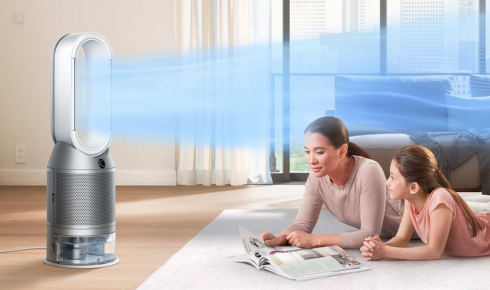
At its core, an air purifier is pretty simple: it pulls in air, traps or neutralizes pollutants through filters (like HEPA or activated carbon), and then pushes cleaner air back out.
But the purpose of an air purifier isn’t just about dust and allergens. It’s about giving you a little more control over something you can’t see but breathe constantly. It’s about making your space feel fresher, less musty, and yes, sometimes less sneezy.
Even if you’re not the type to obsess over air quality graphs or track pollen counts, it’s hard to argue against breathing better.
What Does an Air Purifier Do for Your Home?
Great question. It’s not like you’ll visibly see the air changing — no dramatic “before and after” like you get with a haircut or a new coat of paint. But trust me, the effects creep in subtly.
Here’s what does an air purifier do for your home: it reduces airborne particles, cuts down on odors (like last night’s curry or that persistent dog smell), and can help improve sleep by keeping irritants out of your nose and lungs while you rest.
It may also offer peace of mind. Ever notice how you feel more relaxed when you clean your home? An air purifier works like a constant, invisible clean-up crew for your airspace.
Not All Purifiers Are Created Equal (Yeah, Let’s Talk Tech)
Before you go rushing off to buy the sleekest model with the most buttons, hold up.
- HEPA Filters: These are the gold standard for allergens and fine particles like pollen and dust. If a purifier doesn’t have HEPA, it’s likely not worth your money.
- Activated Carbon: Good for tackling smells and gases. Especially helpful if you cook a lot or live near a highway.
- UV or Ionizers? Meh. Mixed reviews. They can work, but only in very specific conditions, and some release ozone — which ironically can be an indoor pollutant.
Make sure to match the purifier’s capacity to your room size. And yes, filter replacements cost money. Like any good maintenance tool, there’s upkeep involved. But think of it like changing your car’s oil — a small price for longevity.
When You’ll Actually Notice the Difference
This part’s important. If you’re expecting dramatic, overnight changes — you might be disappointed. But give it a week or two. People with allergies often report fewer sneezing fits. Pet owners say their homes smell less “animal-y.” Sleep gets deeper. Breathing just feels easier — especially in the mornings.
Is it placebo? Maybe a little. But hey, if a placebo helps you sleep better and wake up clearer, that’s not nothing.
Final Thoughts: Is It Worth It?
Honestly? It depends.
If you’re tight on budget and live in a low-pollution area, maybe skip it for now and focus on ventilating well and keeping your home clean. But if you’re dealing with allergies, respiratory sensitivities, or just want to take one more step toward a healthier living space — an air purifier is a pretty solid investment.
And the good ones? They’re quiet, efficient, and do their job without demanding attention.
At the end of the day, asking “Should I get an air purifier?” is a bit like asking if you should drink more water. You’re probably doing fine — but adding it to your routine can’t really hurt, and might actually help more than you expect.