
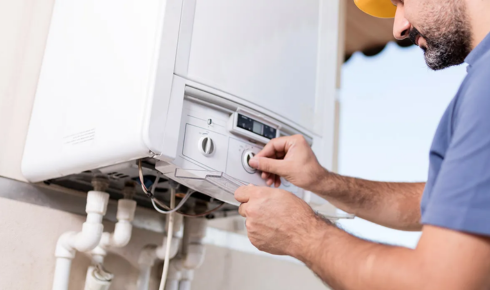
Hot water is one of those everyday comforts people barely notice until it disappears. One cold shower is usually enough to remind anyone how much a home depends on a steady, reliable water heating system. From washing dishes to doing laundry, cleaning up after dinner, or starting the morning properly, hot water quietly supports the whole routine.
The tricky part is that not every home needs the same type of water heater. Household size, usage habits, energy goals, space, and budget all play a role. Choosing well can make daily life smoother, while choosing poorly can lead to frustration, higher bills, or water that runs cold at the worst possible moment.
Understanding Modern Water Heating Choices
Many homeowners are now looking at tankless water heaters because they heat water on demand instead of storing it in a large tank. These systems can be efficient, compact, and useful for homes that want continuous hot water without waiting for a storage tank to refill.
They are especially appealing where space is limited. A tankless unit can often fit on a wall and free up room in a utility area, closet, or garage. Still, proper sizing matters. If the system is too small for the household’s demand, it may struggle when multiple showers, appliances, or taps run at the same time.
Why Traditional Systems Still Have Their Place
Even with newer options available, conventional water heaters remain a practical choice for many homes. These systems store a set amount of hot water in a tank and keep it ready for use.
They are familiar, widely available, and often less expensive upfront than tankless models. For many households, a properly sized tank water heater works perfectly well. The key is choosing a unit that matches daily demand. Too small, and hot water runs out quickly. Too large, and energy may be wasted keeping unused water hot.
Traditional systems are not outdated by default. In the right home, they are steady, simple, and dependable.
Service Keeps Hot Water Dependable
No water heater should be ignored after installation. Regular hot water service helps keep the system running safely and efficiently. It can include flushing sediment, checking valves, inspecting connections, testing temperature settings, and looking for signs of wear.
Water heaters work harder than many people realize. Over time, minerals can build up, parts can weaken, and efficiency can drop. Routine service helps catch these issues early before they become expensive repairs or sudden breakdowns.
A little maintenance can go a long way, especially in homes with hard water.
The Role of Household Demand
Choosing a water heater starts with understanding how the home actually uses hot water. A couple in a small house may need far less capacity than a family with several bathrooms and daily laundry.
Morning routines matter too. If everyone showers at the same time, demand rises quickly. Dishwashers, washing machines, soaking tubs, and guest bathrooms can also affect system needs.
A professional assessment can help homeowners avoid guessing. Water heater sizing is not just about square footage. It is about lifestyle.
Energy Efficiency and Long-Term Costs
The cheapest unit upfront is not always the most affordable over time. Energy use, maintenance needs, lifespan, and repair costs all matter.
Tankless systems may offer efficiency benefits because they do not continuously heat stored water. Traditional tank systems may be more budget-friendly to install and easier to replace. The best choice depends on usage patterns and long-term priorities.
Homeowners should think beyond the purchase price. A slightly better system may save money and frustration over the years.
Warning Signs Your Water Heater Needs Attention
Water heaters often give warnings before they fail completely. Lukewarm water, strange popping noises, rusty water, leaks near the base, or water that takes too long to heat can all suggest a problem.
Ignoring these signs can lead to bigger issues. A small leak may become water damage. Sediment buildup may reduce performance. A failing part may leave the home without hot water suddenly.
Early repairs are usually easier than emergency replacement.
Installation Quality Matters
Even the best water heater can perform poorly if it is not installed correctly. Proper installation affects safety, efficiency, pressure, and system lifespan.
Gas, electric, and tankless systems each have specific requirements. Venting, wiring, valves, water lines, and drainage must all be handled correctly. This is not an area where guesswork is helpful.
A skilled installer will make sure the system is properly connected, tested, and suitable for the home.
Thinking About Space and Comfort
Space is another factor homeowners should consider. A large tank needs room, while a tankless unit may be better for tighter areas. But comfort matters too.
Some homeowners prefer the simplicity of a tank system. Others like the idea of on-demand heating. Neither option is perfect for everyone. The right system is the one that fits the home’s real needs, not just the latest trend.
Final Thoughts
Reliable hot water makes everyday life feel easier. It supports comfort, hygiene, cleaning, and all the small routines that keep a household moving.
Choosing between different water heater options is not only a technical decision. It is a practical choice about how the home functions day after day.
With the right system, proper installation, and regular maintenance, homeowners can enjoy steady hot water without constant worry. And really, that is the goal: a home where hot water is simply there when needed, quietly doing its job.