There’s a lot of noise around protective treatments, and it’s easy to confuse marketing promises with practical outcomes. The appeal is understandable: fewer washes, deeper gloss, better resistance to the grime that builds up on Portsmouth roads. The right product, applied properly, can deliver all of that without turning upkeep into a part-time job.
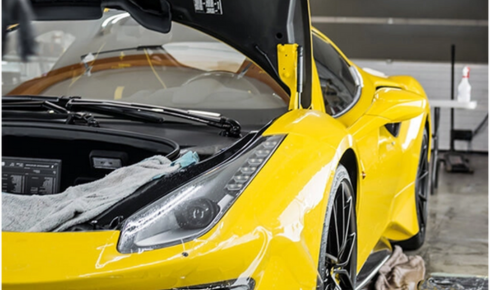
The starting point is understanding what ceramic coating for cars can and can’t do. It bonds to clear coat to create a dense, hydrophobic layer that shrugs off water and resists chemical staining. It won’t stop stone chips (that’s PPF territory), but it will slow oxidation, make washing easier, and keep the paint looking freshly polished for far longer than wax or sealant.
Why Portsmouth drivers notice the difference
Sea salt, drizzle, and winter road film are a tough combination. A cured ceramic layer reduces how stubbornly dirt sticks, so routine washes take less effort, and the finish keeps its crispness between cleans. The coating’s UV resistance also helps interiors: by keeping exterior paint cooler and cleaner, you reduce the knock-on build-up of grime around seals and trims that can migrate inside.
The process that separates great from average
Quality outcomes are built in the preparation:
- Thorough wash and chemical decontamination to remove traffic film and fallout
- Clay where needed, then machine polishing to level swirls and micro-marring
- Panel-wipe to strip polishing oils so the coating can bond cleanly
- Controlled application in small sections, even levelling, and proper curing time
Skip the correction step and you’ll lock defects under a glassy layer; take shortcuts on curing and you’ll shorten the lifespan of the finish.
How it stacks up against alternatives
Waxes look lovely for a fortnight, maybe a month in kind weather. Modern sealants stretch that to a few months. Ceramic coatings, correctly applied, last years while preserving that just-polished clarity. If your weekly mileage includes the M27 and a lot of coastal air, the maths often favours ceramic: fewer details, less aggressive cleaning, better gloss retention through winter.
Everyday maintenance without fuss
Coated cars still need care, just less of it. A gentle two-bucket wash, soft drying towels, and the occasional ceramic-safe topper keep the hydrophobic effect lively. Avoid rough sponges and drive-through brushes; they’re the enemy of any finish, coated or not. If you pick up tar or rail dust, use compatible removers rather than heavy abrasives.
Choosing a local installer you can trust
Ask to see paint-correction work under proper lighting, not just phone shots in the shade. Clarify what level of correction is included, which coating brand will be used, and how long the vehicle needs to stay off the road to cure. A good Portsmouth studio will also talk you through realistic expectations and where a film (for high-impact zones) makes more sense than piling on extra coating layers. For many owners researching car ceramic coating near me, that honesty is the difference between a satisfying investment and a glossy disappointment.
When ceramic makes the most sense
If you favour a clean, deep gloss and want to cut down on heavy polishing sessions, ceramic is a strong fit. Daily driven cars, darker colours that show swirls, and vehicles parked outdoors most of the week are prime candidates. Pairing a coated finish with PPF on the bumper and bonnet is a popular hybrid for motorists who want both impact resistance and easy washing.
A well-planned ceramic job doesn’t chase miracles; it builds in reliable, long-term cleanliness and clarity. In Portsmouth, that translates to a car that keeps looking sharp through wet months and sunny spells alike, without you feeling chained to the hose and bucket.