Let’s be real — we don’t think much about the water we use. We turn on the faucet, fill a glass, maybe wash the veggies, hop in the shower, do a load of laundry. It’s automatic. But what if that convenience came with hidden compromises? What if every splash, every sip, was carrying things your eyes couldn’t see, and your body would rather avoid?
Welcome to the world of water filtration. Not the dinky filters you stick to a faucet or the jug you refill five times a day. I’m talking about something bigger, smarter, more comprehensive: a whole house RO system.
And no, it’s not just for luxury homes or people with well water nightmares. It’s for anyone who believes clean water shouldn’t stop at the kitchen sink.
Why Tap Isn’t Always Trustworthy
Sure, municipal water gets treated. But “safe to drink” and “truly clean” aren’t the same thing. Ever notice that slightly metallic taste? Or the chlorine smell when you shower? That’s not your imagination. Tap water can carry a cocktail of chemicals, heavy metals, and other contaminants that build up in pipes, tanks, and yes — your body.
And if you’re on well water, the situation can be even trickier. There’s no standard filtration, no routine testing unless you’re doing it yourself. Bacteria, sediment, sulfur — it’s like playing roulette every time you open the tap.
That’s where a whole home RO system comes in. It’s like hitting the reset button on your water supply.
What Makes Reverse Osmosis So Powerful?
Reverse osmosis isn’t new. It’s been around for decades and is trusted by bottled water companies and desalination plants. The science is simple but powerful — water is forced through a semipermeable membrane that filters out contaminants at the molecular level.
What you’re left with? Just water. Clean, crisp, chemical-free water.
Now, most homes that use reverse osmosis do it for drinking water only — usually under the sink. But imagine having that same level of purity throughout your home. Every faucet. Every shower. Every appliance.
That’s the magic of whole house RO — it doesn’t just protect your body, it protects your lifestyle.
The Taste Test: You’ll Notice the Difference
You don’t need a lab report to tell when water is cleaner. You can taste it. Cook with it. Feel it on your skin.
I still remember the first cup of coffee I made after installing RO filtration. It was brighter. Less bitter. Almost like the beans had been hiding flavors I’d never tasted before. And pasta? It didn’t foam up or get that weird cloudy boil.
We’re so used to compensating — with lemon wedges, extra detergent, longer rinses — that we forget water is the common denominator. Clean it, and everything else improves.
More Than Just Drinking Water
Here’s the underrated perk: your appliances love clean water too.
Hard water leaves scale on your dishwasher. Iron stains your toilet bowl. Sediment clogs your washing machine. But when you run your entire house on reverse osmosis? That damage drops dramatically.
It’s not just about health — it’s about home maintenance. A cleaner system means fewer repairs, longer-lasting appliances, and a lot less elbow grease when scrubbing those shower walls.
But… What’s the Catch?
No system is perfect. And to be upfront, a whole home RO system isn’t plug-and-play.
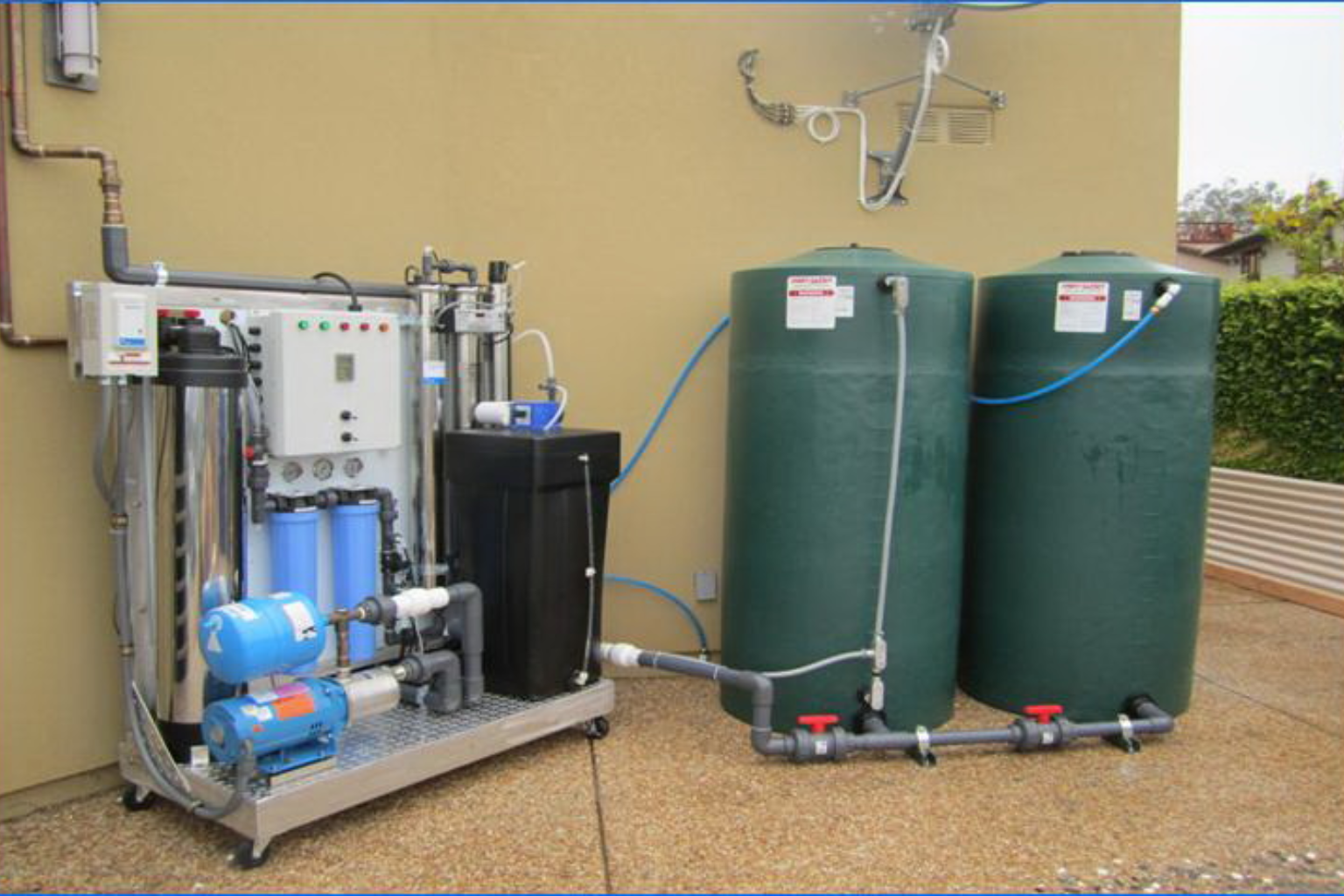
They require installation by professionals. You might need pre-filters (especially if your water is hard) to prevent the RO membrane from clogging. There’s also some water waste during the process — though newer models are much more efficient.
Then there’s cost. Between equipment, installation, and occasional maintenance, you’re looking at a decent upfront investment. But over the long haul? It’s one of those things that quietly pays for itself.
Choosing the Best for Your Home
So, how do you find the best whole house reverse osmosis system for your setup?
Start with your water test. What’s in your supply? Iron? Chlorine? Arsenic? Different systems offer varying levels of filtration. Some include UV purification for bacteria. Others integrate with softeners for total water management.
Look at the gallons-per-day capacity. If you’ve got a big family or multiple bathrooms running at once, you’ll want a higher-capacity system to keep up.
And don’t skimp on support. Choose a brand or provider that offers real tech support and clear maintenance instructions. When something goes wrong (and at some point, something will), you’ll want a human to talk to — not a chatbot.
Daily Life on RO: What to Expect
Here’s what changes:
- You stop buying bottled water. Period.
- Showers feel better — less soap residue, softer skin.
- Laundry comes out cleaner, with less detergent needed.
- Your coffee maker stops clogging up every few months.
- House guests comment on how “crisp” your water tastes.
But more than all that? You stop thinking about water. And that, honestly, is the real luxury.
Not Just for Mansions Anymore
There’s a myth that these systems are only for million-dollar homes or off-grid cabins. But technology has come a long way. There are compact models now. Affordable options. Lease-to-own plans. Even DIY kits for the handy types.
The barrier to entry is lower than ever. What used to be a luxury is quickly becoming a smart, healthy upgrade for average families — especially in areas where water quality is, well, questionable at best.
So if you’ve been flirting with the idea but assuming it’s out of reach, take another look. You might be surprised.
Is It Worth It?
Here’s how I look at it: we obsess over organic groceries, non-toxic cleaners, clean air filters, ergonomic furniture. But water? The thing we use for nearly everything?
A whole house RO system isn’t just about drinking water. It’s about peace of mind. About giving your home, your health, and your family the cleanest foundation possible.