A house rarely gives you a warning at a convenient time. A pipe starts leaking just before guests arrive, a water heater stops working on a chilly morning, or a strange damp patch appears on the ceiling after a week of rain. These things can feel sudden, but many household problems develop quietly long before they become obvious.
The good news is that caring for a home doesn’t always require expensive upgrades or a long weekend spent fixing things. Often, it starts with noticing small changes, dealing with minor issues promptly, and knowing when to call someone who has the right experience. A little attention now can spare you a great deal of frustration later.
Catching Problems Before They Spread
It’s easy to overlook a dripping tap or a loose connection beneath the sink. After all, if the water still runs and the drain still works, the problem may not feel urgent. But even a small leak can damage cabinet interiors, stain nearby materials, and encourage mold growth when moisture remains trapped.
The first step is learning what’s normal in your home. Pay attention to water pressure, plumbing sounds, appliance performance, and any changes in your utility bills. If the toilet keeps refilling or you hear water running when everything is turned off, investigate rather than assuming it’s nothing.
A quick inspection every few weeks can make a difference. Look under sinks, around toilets, near washing machine hoses, and around the water heater for moisture, corrosion, or loose fittings. You don’t need to take anything apart. Just noticing an unfamiliar smell or a damp spot early may be enough to arrange help before the damage spreads.
Taking these small steps can prevent damage to flooring, walls, furniture, and other parts of the property. More importantly, it gives you a chance to address the original problem instead of paying to repair both the fault and everything it has affected.
Water Problems Deserve Prompt Attention
Water is essential to everyday life, but it can be surprisingly destructive when it ends up where it shouldn’t. A leaking supply pipe may soak insulation or drywall, while a blocked drain can cause wastewater to back up into a bathroom or kitchen. In either case, waiting for the problem to become more obvious usually isn’t the best approach.
If a pipe bursts or a connection begins leaking heavily, shut off the main water supply if you can reach the valve safely. Move belongings away from the affected area and avoid standing water near electrical equipment. If the leak is close to wiring or creates another safety concern, keep clear and contact the appropriate professionals.
Not every water issue is an emergency, of course. A slow drain or a dripping faucet may allow time to schedule a regular appointment. Still, repeated clogs, unexplained pressure changes, damp patches, or water bills that suddenly increase should be investigated. A plumber can help determine whether the cause is a worn fixture, a damaged pipe, or something deeper in the system.
It’s also worth knowing the age and general condition of your plumbing. Older pipes may become vulnerable to corrosion, and repeated leaks in different areas can indicate that a broader assessment is needed. Fixing one problem at a time isn’t always the most economical option if the same underlying issue keeps returning.
Why Routine Care Pays Off
Most people maintain their cars because they understand that regular servicing can help identify problems before a breakdown occurs. The same idea applies to a home, although plumbing and other systems are easier to forget because they’re mostly hidden.
Proper maintenance doesn’t have to be complicated. Clean faucet aerators when mineral deposits restrict the flow, use strainers to catch hair and food debris, and avoid pouring grease down the kitchen sink. Check accessible hoses for signs of wear, and make sure outdoor taps and exposed pipes receive suitable protection in colder weather.
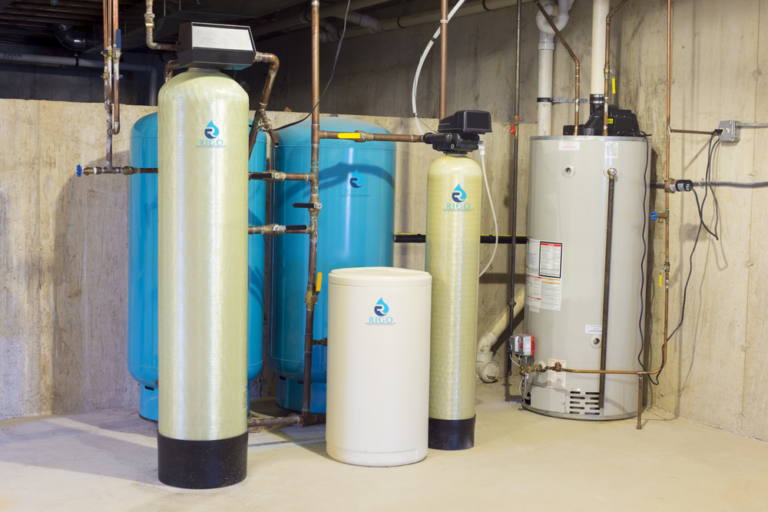
Water heaters deserve occasional attention, too. Unusual noises, inconsistent temperatures, visible leaks, or rusty-looking hot water can signal that the unit needs inspection. The appropriate maintenance depends on the type of heater and the manufacturer’s recommendations, so it’s sensible to follow the guidance provided for your equipment.
Keep an eye on ventilation and moisture in bathrooms and laundry areas. Running an exhaust fan during showers and allowing damp spaces to dry can help reduce condensation. If you repeatedly find moisture on walls or ceilings, however, don’t assume poor ventilation is the only explanation. A concealed leak may be responsible.
These habits won’t prevent every failure, and no home is maintenance-free. What they can do is make it easier to spot trouble early, keep equipment working as intended, and reduce the chance that a minor issue turns into a major disruption.
Knowing When a Professional Is Needed
There’s a certain satisfaction in fixing a loose handle or replacing a simple household part yourself. But some jobs call for training, specialized tools, and an understanding of building requirements. Knowing the difference is part of responsible homeownership.
Electrical faults, gas leaks, major pipe damage, sewer backups, and structural concerns shouldn’t be treated as casual DIY projects. A repair that appears straightforward on the surface may involve hidden connections or safety risks. Attempting a fix without the necessary knowledge can make the situation worse.
For significant installation/repair work, ask the contractor to explain what has failed, what needs to be done, and whether there are alternative solutions. Request an estimate that describes the work and identifies likely additional costs. If a repair involves a major appliance or system, ask about warranties, testing, and any maintenance required after the job is complete.
It can also help to check qualifications, insurance, and customer feedback before hiring someone. The lowest quote isn’t automatically the best value. A well-explained repair using suitable materials may cost more initially but save you from repeat visits and avoidable problems.
Making a Practical Home Maintenance Plan
Home maintenance can feel overwhelming when every task seems to need attention at once. Instead of trying to handle everything in a single weekend, divide the work into manageable steps.
Start with safety essentials. Learn where the water shutoff valve and electrical panel are located, check smoke alarms, and keep emergency contact information somewhere accessible. Then make a short list of routine tasks, such as checking for leaks, cleaning drains, inspecting appliance hoses, and reviewing the condition of exterior areas after heavy weather.
You don’t need to inspect every corner of the property every week. A simple calendar reminder can help you remember seasonal checks and routine servicing. Keep receipts and maintenance records in one folder so you can quickly find installation dates, warranties, and details of previous work.
If you live in an older property, consider arranging a professional inspection when you notice several recurring issues. A qualified technician can help prioritize the work, separating urgent repairs from improvements that can be planned for later. That makes budgeting less stressful and helps you avoid spending money on the wrong thing first.
A Little Attention Goes a Long Way
A well-maintained home isn’t necessarily the newest or most expensive one. It’s a home where small problems are noticed, safety concerns are taken seriously, and repairs are handled before they create unnecessary trouble.
You won’t catch every issue in advance, and sometimes equipment simply reaches the end of its useful life. That’s part of owning a property. Still, paying attention to warning signs, following sensible maintenance routines, and choosing qualified professionals when needed can make homeownership more manageable.
In the end, the goal is simple: fewer unpleasant surprises, less avoidable damage, and a home that continues to feel comfortable and dependable. Those results rarely come from one dramatic project. More often, they’re built through ordinary decisions made consistently over time.