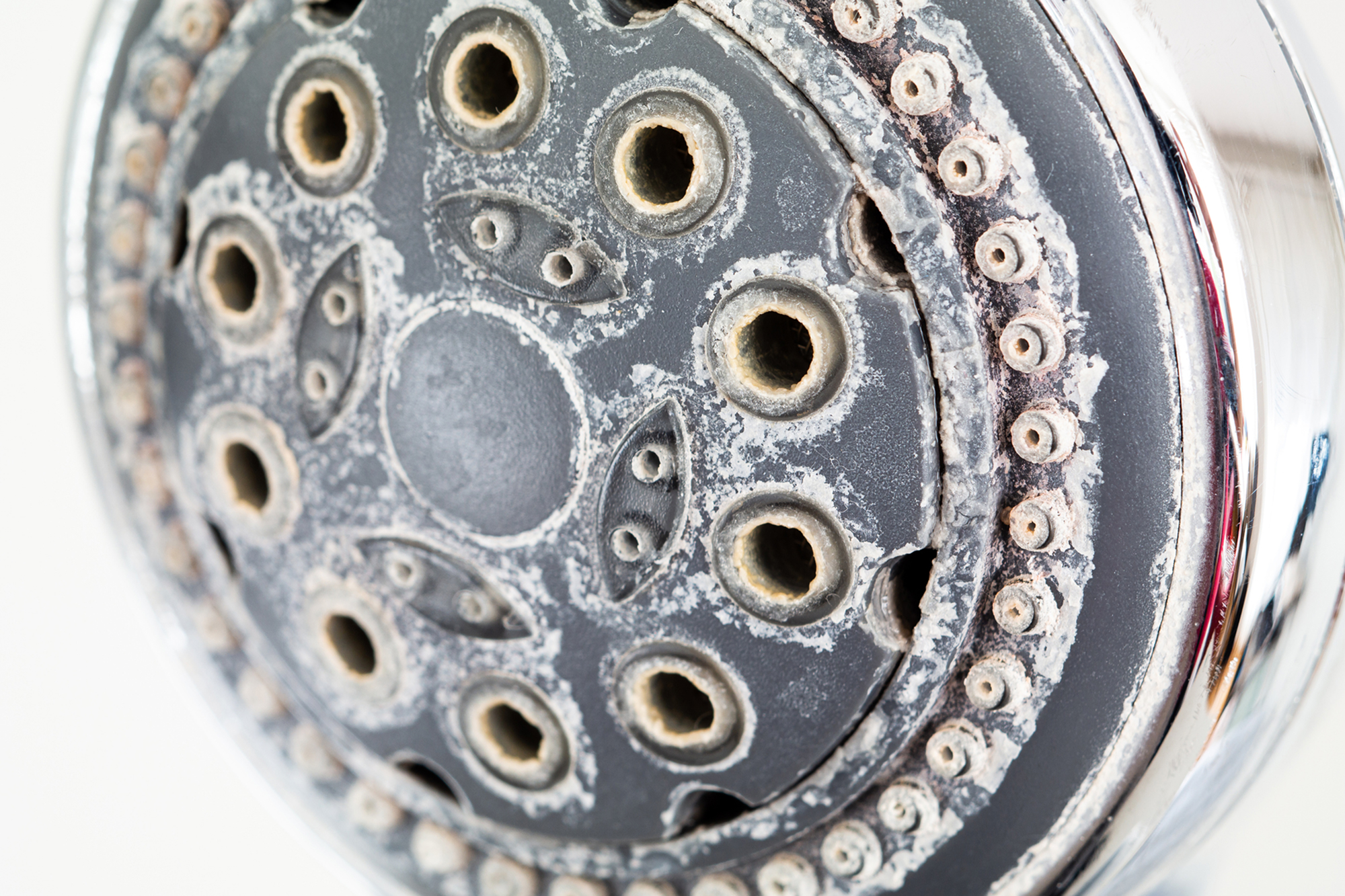
You clean the bathroom sink on Sunday, and by Wednesday, orange marks have started appearing around the drain again. The shower looks clean enough, but there’s a faint greenish tint near a faucet. Maybe your white laundry has developed odd discoloration, or the water coming from the kitchen tap doesn’t taste quite right.
These little changes can be frustrating, especially when regular cleaning doesn’t seem to make much difference. But stains can sometimes offer useful clues about what’s happening in your water supply. The important part is understanding what those clues mean, what they don’t tell you, and when it’s worth getting professional advice.
Water chemistry varies from one home to another. Minerals, metals, plumbing materials, and treatment methods can all influence the water that comes out of your taps. Identifying the likely cause is the first step toward finding a solution that lasts.
Understanding Orange, Brown, and Blue-Green Stains
The color of a stain can provide a starting point for investigation. Orange or reddish-brown marks are often associated with iron, while blue-green discoloration may indicate copper or other plumbing-related corrosion. However, color alone cannot confirm the source, and several conditions can produce similar-looking marks.
For example, rust or blue-green staining around sinks, bathtubs, toilets, and shower fixtures may be connected to dissolved metals in the water or corrosion within plumbing components. Iron can leave reddish or brown deposits when it oxidizes, while copper may produce blue-green marks under certain conditions.
Sometimes the problem comes from the water source itself. Groundwater can naturally contain iron and other minerals, particularly in areas where local geology affects the composition of the supply. In other situations, metal may enter the water as it travels through corroding pipes, fittings, or fixtures.
The distinction matters because the treatment should match the cause. A filter designed for naturally occurring iron may not address a plumbing component that’s releasing copper. Likewise, replacing a faucet won’t solve a problem affecting every tap in the house.
If discoloration appears suddenly, becomes widespread, or occurs alongside changes in taste or water pressure, contact a qualified plumber or your water supplier. Testing can help establish what’s happening instead of relying on guesswork.
Why Iron in Water Can Become a Persistent Problem
Iron is a naturally occurring element, and small amounts can be present in groundwater. While iron-related staining is often more of a household nuisance than a direct health concern, elevated levels can affect the appearance, taste, and usability of water.
You might notice orange marks inside toilets, brown streaks in a bathtub, or discoloration on freshly washed clothes. Iron can also leave deposits in plumbing and certain appliances. When these stains repeatedly return after cleaning, it may indicate that iron is entering the home through the water supply.
Treatment depends on the form and concentration of the iron. Some water contains dissolved ferrous iron, which may initially be invisible. When exposed to oxygen, it can oxidize and form visible particles. Other water contains iron that’s already present in suspended form.
Depending on test results, treatment may involve oxidation followed by filtration, specialized filter media, or another method suited to the water’s chemistry. The correct choice can depend on pH, iron concentration, manganese levels, and whether other substances are present.
A basic water test may help identify common concerns, but complicated iron problems sometimes require more detailed analysis. Before buying equipment, ask what the test measures and whether the proposed treatment is designed for your particular type of iron.
How Water Softeners Help with Mineral-Related Problems
Hard water is another common reason homeowners begin exploring treatment. It contains elevated concentrations of calcium and magnesium, which can create scale on faucets, shower screens, kettles, and water-heating equipment.
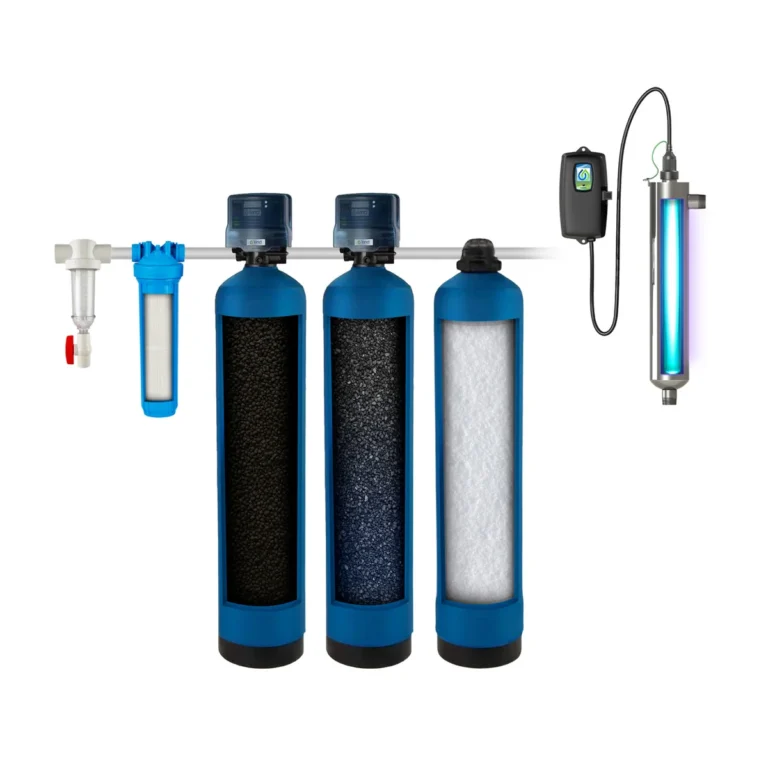
Water softeners are designed to reduce these hardness minerals, usually through ion exchange. As water passes through resin beads inside the system, calcium and magnesium are captured and exchanged for sodium or potassium ions. The resin is periodically regenerated so it can continue treating incoming water.
For households dealing with hard water, a properly sized softener can make everyday cleaning easier and help reduce mineral scale. Soap may lather more readily, and deposits on bathroom fixtures may become less troublesome.
However, a softener isn’t a universal solution for colored stains. It doesn’t automatically remove every form of iron, copper, sediment, or other contaminant. Some softeners can handle certain forms of iron under suitable conditions, but their effectiveness depends on the system’s specifications and the water being treated.
This is why testing matters. If your home has both hard water and iron staining, you may need a softener alongside a separate filtration stage. A water-treatment specialist can help determine whether one system is sufficient or whether different technologies are needed.
Choosing the Right Drinking Water Treatment
Stains aren’t the only reason to investigate water quality. Taste, odor, and concerns about contaminants can also lead homeowners to consider additional treatment, particularly at the kitchen sink.
Modern drinking water systems use different technologies to address specific water-quality concerns. Activated carbon filters can reduce certain substances that affect taste and odor, including chlorine under appropriate conditions. Reverse osmosis systems can reduce a range of dissolved substances, depending on their design and certification.
The best option depends on the water being treated. If your main concern is a chlorine taste, a suitable carbon filter may be enough. If testing identifies a particular dissolved contaminant, a system certified to reduce that substance may be more appropriate.
Don’t assume that clear water is necessarily safe or that an expensive filter removes everything. Some contaminants have no obvious smell, color, or taste. For drinking-water safety concerns, use reliable testing and choose treatment based on verified performance claims.
Maintenance is equally important. Filter cartridges need to be replaced according to the manufacturer’s instructions, and some systems require periodic cleaning or sanitization. An overdue filter may perform less effectively than expected, even if the equipment appears to be working normally.
Could Your Plumbing Be Causing the Stains?
Sometimes the water supply isn’t the main issue. Older plumbing, corroding fittings, damaged fixtures, and certain water-heater components can contribute to discoloration.
Pay attention to where the problem appears. If only one faucet produces discolored water, the cause may be local to that fixture or its plumbing. If several taps are affected, the issue could be farther upstream or related to the wider water supply.
You can also observe whether the discoloration appears only in hot water, only in cold water, or in both. This information may help a plumber narrow down the possible causes, although it isn’t enough to establish a diagnosis by itself.
Avoid attempting repairs on unfamiliar plumbing or assuming that a stain can safely be removed with an aggressive chemical. Some cleaning products can damage finishes, and mixing chemicals can release dangerous fumes. Follow product instructions and use a qualified professional when the cause is uncertain.
If you receive water from a public utility, contact the supplier when a sudden change affects multiple fixtures or neighboring properties. Private-well owners should arrange appropriate testing if staining is persistent or water characteristics have changed.
Preventing Stains and Avoiding Unnecessary Costs
Once the cause has been identified, a few routine habits can help keep the problem manageable. Wiping wet surfaces reduces the chance of mineral residue drying into visible marks. Cleaning fixtures with products suitable for their materials can prevent buildup from becoming harder to remove.
For recurring iron or mineral problems, however, cleaning alone may only provide temporary relief. Proper treatment can address the source, making household maintenance less demanding.
Before investing in equipment, compare more than the purchase price. Consider installation, replacement parts, filter cartridges, salt consumption where applicable, servicing, and warranty coverage. Ask the installer to explain the system’s limitations as well as its benefits.
Be wary of promises that one device will eliminate every possible stain and contaminant. Water treatment works best when the equipment is selected for measured conditions and maintained correctly.
A Clearer Path to Better Water
Stains around the house can be annoying, but they may also be a useful reason to take a closer look at your water. Orange marks, blue-green residue, and recurring mineral deposits can have different causes, and each requires a solution suited to the problem.
Start by noticing where the stains appear and whether other changes have occurred. Arrange appropriate water testing, investigate possible plumbing issues, and compare treatment options using reliable information.
You don’t need to install a complicated system just because something looks unusual. You need to understand the cause and choose a practical response. With the right diagnosis and a little ongoing care, you can protect your fixtures, make cleaning easier, and feel more confident about the water your household uses every day.