There’s something incredibly simple—and oddly comforting—about turning on your faucet and having water just flow out. No effort. No second thoughts. Just a stream of clear, clean liquid ready for your pasta, your coffee, your morning face splash. We trust it implicitly.
But lately? That trust has started to feel a little shaky.
Maybe it’s the headlines. Maybe it’s the odd chlorine smell wafting out of the shower. Or maybe you’ve just been paying closer attention to the way your water tastes, smells, feels. Whatever the reason, more and more homeowners are finally asking the question: What’s actually in my water? And better yet — what can I do about it?
When “City Water” Isn’t the Gold Standard Anymore
Growing up, we were told city water was cleaner, better, more regulated than well water. And sure, there’s some truth to that. Municipal systems are tested, treated, and monitored. But they’re also huge, complex systems that aren’t exactly personalized to your specific kitchen sink.
If your city uses chlorine (which most do), that chemical is sticking around long after disinfection. Then there’s sediment from old pipes, trace pharmaceuticals, and other contaminants that meet the “legal” threshold but may not meet your standards.
That’s where people start searching for the best whole house water filter for city water — not because they’re paranoid, but because they’re paying attention. And when you’re running city water through every shower, laundry cycle, and cooking pot, that decision starts to make a lot of sense.
Not Just for Drinking: The Whole House Approach
You’d be surprised how many people drop a couple hundred bucks on a fancy countertop filter and call it a day. Which is great—for your drinking water. But what about your skin? Your scalp? Your clothes?
Enter: the whole-house solution.
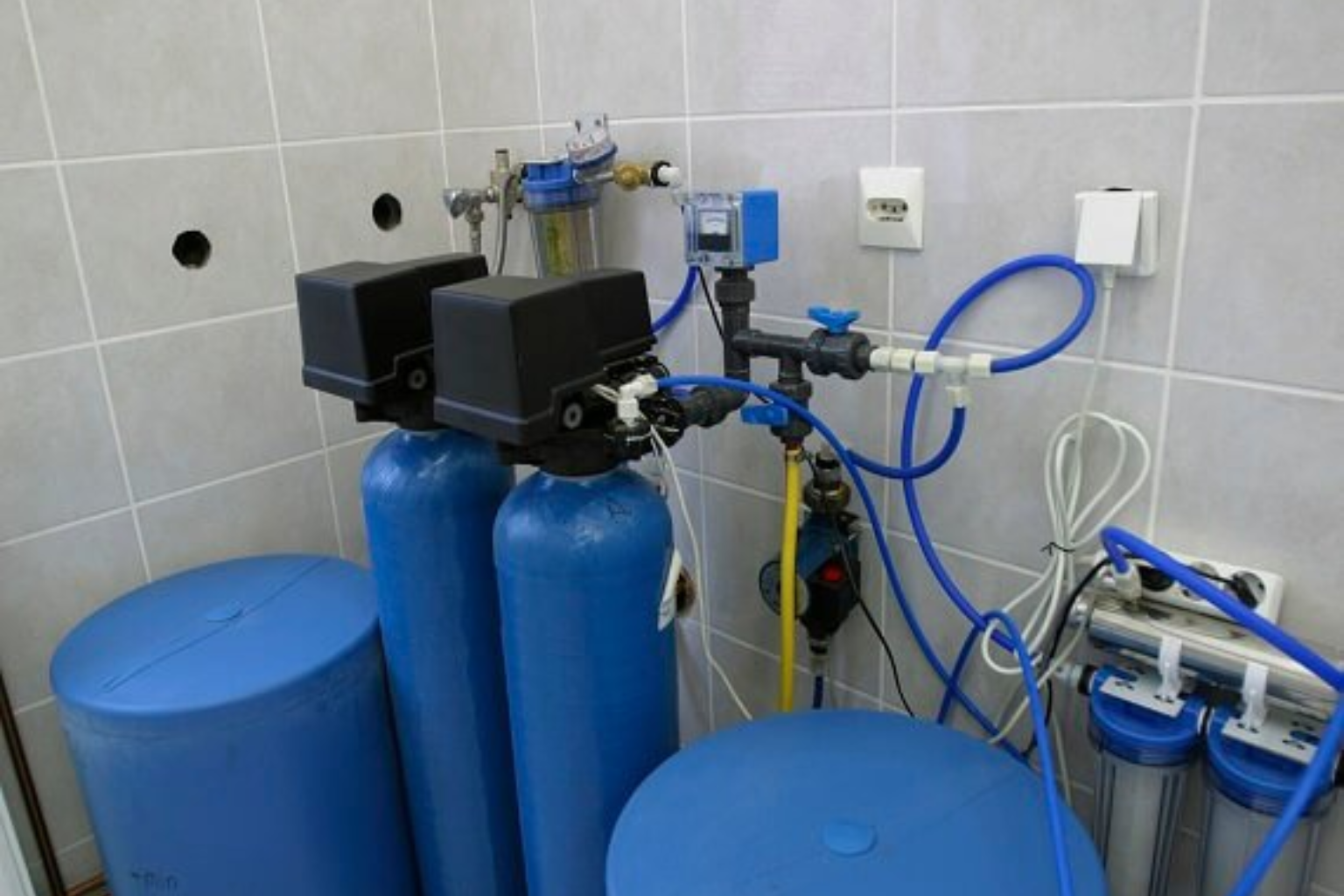
A good best whole house water filtration system for home doesn’t just sit under your sink. It lives at the point where water enters your home and treats every drop. The stuff that comes out of your shower head? Filtered. The water your baby’s blanket gets washed in? Filtered. The steam rising off your kitchen pasta pot? Filtered.
It’s a quiet upgrade — the kind you don’t even realize you needed until your skin stops itching, your glassware stops fogging, and your water stops smelling like a community pool.
Breaking Down the Systems: What’s What
Here’s where things get a little messy: the terminology. So let’s cut through the noise.
- Water Softeners: Great for hard water, but not designed to remove contaminants.
- Carbon Filters: Excellent for chlorine, VOCs, and taste/odor issues.
- Reverse Osmosis: High-level filtration, often used for drinking water only.
- UV Purifiers: Target bacteria and microorganisms.
- Multi-Stage Systems: Combine several methods in one setup for full-spectrum treatment.
The goal isn’t to get the most high-tech unit out there. It’s to get the right mix of filtration for your specific water source and needs.
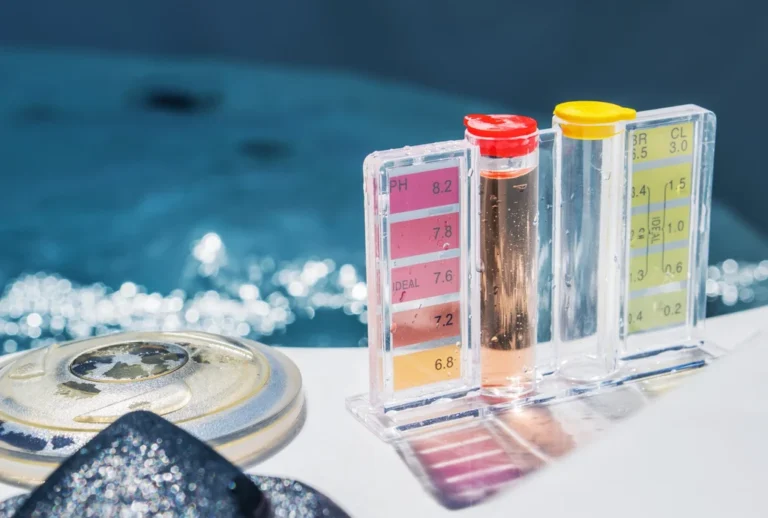
This is where a little professional guidance goes a long way. You don’t need a PhD in water science — just a clear water test and an honest conversation.
Real-Life Filter Wins: Subtle, but Game-Changing
Let me tell you a story. A couple I know in a quiet suburban neighborhood started noticing weird buildup around their faucets and persistent dry skin no matter how many creams they tried. They chalked it up to aging fixtures and harsh winters.
After some prodding from a friend, they installed what many call the best whole house water purifier for their home — a mid-range multi-stage system with carbon filtration and UV treatment.
Within a week? No more buildup. Their tap water tasted better than bottled. Showers felt softer, even their dog’s fur was shinier (true story).
That’s the beauty of great filtration — you forget it’s even working until you remember how bad things used to be.
Do You Really Need One?
It’s a fair question. Plenty of folks live perfectly fine without a filtration system. But let’s look at the flipside:
- Do you have hard water?
- Does your water have a noticeable smell or taste?
- Are you tired of replacing appliances earlier than expected?
- Is your skin constantly dry or irritated after bathing?
- Do you spend more than $20/month on bottled water?
If you answered “yes” to two or more, then yes — you’d probably benefit from a system. Not in a panic-button, we’re-all-gonna-die kind of way. But in a this-could-make-daily-life-better kind of way.
And honestly, that’s enough of a reason.
The Cost Breakdown: Investment vs Expense
Here’s where most people hesitate — the price tag.
A quality whole house system typically runs between $1,000–$3,000 installed, depending on what you need. Throw in annual filter changes and occasional maintenance, and you’re looking at maybe $200–$300 a year.
But compare that to:
- Bottled water costs
- Soaps and shampoos to fix dry skin and hair
- Plumber visits for clogged pipes and sediment damage
- Premature appliance replacements
Suddenly, that filter system starts looking a lot more like a money saver than a splurge.
Choosing the Right Partner: What to Look For
Not all companies are created equal. When shopping for a system or service provider, prioritize:
- Transparent pricing
- A proper water test (free or low-cost)
- Custom recommendations (not a one-size-fits-all pitch)
- Maintenance plans
- Reviews from actual humans, not just stars on a page
A good provider doesn’t just sell filters. They help you understand your water, your options, and your long-term care plan.
Final Thoughts: Clean Water, Clear Mind
We spend a lot of time upgrading things in our lives — phones, cars, even toasters. But somehow, water — the stuff we use more than anything else — doesn’t always make the list.