Ever turned on the tap and felt like you were waiting for a miracle? The water trickles, sputters, or maybe just straight-up gives you attitude. And you stand there, toothbrush in hand, wondering what in the world went wrong. It’s a little thing, sure, but when something as basic as water isn’t behaving, it messes with your whole vibe.
Water problems at home aren’t always about the obvious. Sometimes, it’s not a broken pipe or a worn-out washer. Sometimes, the issue creeps in slowly — disguised behind your walls, in your softener, or quietly collecting where it shouldn’t. If you’ve been dealing with plumbing drama and can’t quite pinpoint the why, this might just be the read you need.
That Mysterious Drop in Water Pressure
Let’s start with the classic: your once powerful shower now feels like a weak drizzle. It’s annoying, and yeah, maybe your first thought is that your municipality is to blame. But here’s the thing — it’s often closer to home.
Low water pressure isn’t just a surface-level inconvenience. It’s a symptom — your house’s way of whispering, “Something’s off.” Maybe your pipes are narrowed by sediment buildup. Or maybe your water softener is the one acting up. Especially if you’ve got a whole-house system, a clogged filter or a misfiring softener valve could be slowly strangling your pressure without you even noticing — until, of course, your morning shower becomes a cold, low-pressure struggle for survival.
The Salty Truth About Salt Bridges
If you’ve got a water softener at home, you’re probably already aware that salt plays a starring role. But did you know that salt can actually turn against you?
Enter the sneaky menace known as salt bridges.
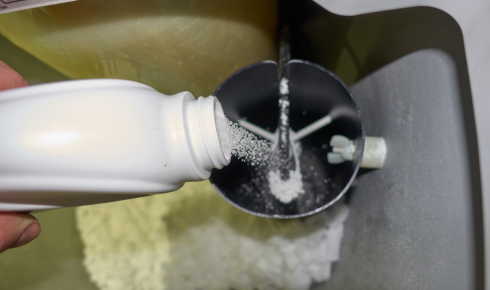
Sounds kind of peaceful, right? Like something you’d walk across in a fantasy novel. But in real life, they’re more like little crusty traitors. A salt bridge happens when salt hardens into a shelf or crust in your brine tank, creating an air gap underneath. From the outside, it looks like the tank’s full of salt and ready to soften water. But beneath that bridge, there’s nothing usable. No salt dissolving into brine = no regeneration = no softening. It’s a whole fake-out. And your water pays the price.
Most people don’t realize it’s happening until they start noticing hard water stains reappearing or their soap just doesn’t lather the way it used to. By then, the salt bridge has been messing with your system for weeks — quietly sabotaging your water quality.
When Resin Goes Rogue
Water softeners use tiny beads called resin to grab hold of calcium and magnesium — the minerals responsible for hard water. It’s a clever system. Until those beads stop playing nice.
Over time, especially if your water has a high iron content or you’re not doing regular maintenance, the resin can break down. The result? Resin buildup. It’s not just a minor annoyance; it’s like a mini traffic jam inside your softener and sometimes even inside your plumbing. You might hear weird gurgling sounds. You might even notice particles in your water — tiny orange, brown, or black bits that have no business being there.
And when resin starts escaping into your home’s pipes? That’s when things get really messy. You could end up needing to flush your entire plumbing system. Which, trust me, is not a fun weekend project.
The DIY Trap: Fixes That Backfire
A lot of homeowners, myself included, fall into this trap: we assume we can handle it ourselves. And sometimes, we can! I mean, cleaning out a shower head or replacing an old filter is one thing. But diagnosing why your water softener stopped regenerating? That’s next-level.
There are forums out there filled with half-baked advice. Some of it works. Some of it’s just wishful thinking. Pouring boiling water into a brine tank might sound like a cool hack — until you crack the tank or scald yourself in the process. That’s not a life lesson you want to learn the hard way.
So yes, DIY when it’s safe and smart. But also, know when it’s time to call a professional. Especially when it comes to water softeners and internal plumbing. Those systems are more delicate (and expensive) than most people realize.
Maintenance: The Habit That Saves You
Here’s something a plumber once told me that stuck: “Most water issues don’t start big. They become big.” And he was right. A little bit of neglect — skipping a salt refill, ignoring that warning light on your softener, or forgetting to flush the system once in a while — can set you up for way bigger problems down the line.
A good rule of thumb? Once every couple of months, take 15 minutes to check your water softener. Look inside the tank. Feel for a crust that could signal a salt bridge. Watch for standing water. And if your softener has a bypass valve, learn how to use it. If things go wrong, flipping to bypass can save your entire plumbing system from further damage.
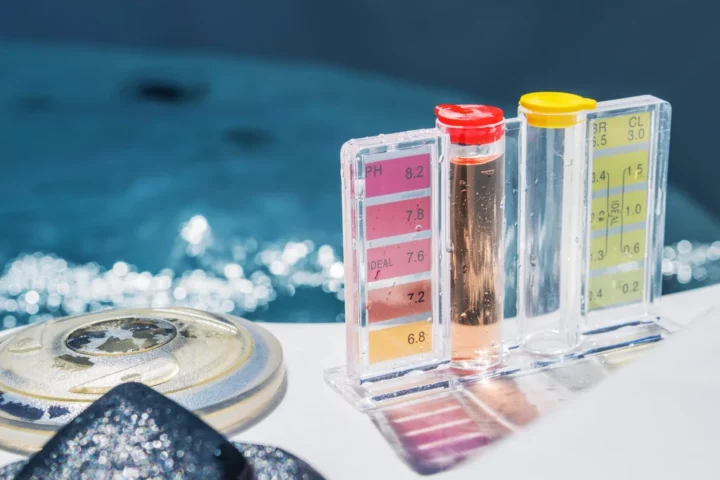
Same goes for the rest of your setup. Change filters on time. Use rust remover if your resin is struggling with iron-heavy water. And if you’ve never had your water tested, maybe it’s time. You might be surprised what’s really flowing through your pipes.
Real Talk: It’s More Than Just Plumbing
At the end of the day, it’s not just about whether your water’s soft or hard. It’s about how you live. Clean dishes. Comfortable showers. Water that doesn’t taste like you licked a rock. When something as fundamental as water goes wrong, it throws off your whole rhythm.
And it’s easy to overlook. These aren’t glamorous problems. They’re the quiet, behind-the-scenes issues that build up until suddenly you’re staring down a full-blown replacement bill or weeks of poor pressure. And yet, with a little knowledge — and a little regular care — you can keep your water flowing right, your appliances happy, and your sanity intact.