It’s funny how much attention we give to the food we buy, yet sometimes overlook the water we drink alongside it. We carefully select fresh vegetables, compare coffee brands, and read ingredient labels. Meanwhile, the water coming from our kitchen faucet might have an unpleasant aftertaste that we’ve simply learned to tolerate.
For homeowners looking to make a worthwhile change, reverse osmosis drinking water systems offer a practical approach to reducing specific dissolved contaminants and improving drinking water quality.
Whether you’re living in Virginia or Maryland, understanding how this technology works can help you decide if it’s suitable for your household. And no, improving your drinking water doesn’t necessarily mean installing complicated equipment throughout your entire home.
Why Ordinary Tap Water May Need Additional Treatment
The quality of household water depends on several factors, including its original source, municipal treatment processes, and the condition of local plumbing infrastructure.
Some homeowners experience an unpleasant metallic taste, while others notice a lingering chlorine flavor. Private well owners may encounter additional concerns involving naturally occurring minerals or environmental contaminants.
Of course, taste isn’t always a reliable indicator of water quality. Certain potentially harmful substances can be present without changing the water’s appearance or smell.
That’s one reason appropriate water testing is so valuable.
Understanding what’s actually present in your drinking water allows you to choose filtration equipment based on genuine needs instead of assumptions or persuasive advertising.
Making Room for Better Water Beneath Your Kitchen Sink
One of the more appealing aspects of modern drinking water treatment is how conveniently the equipment can fit into an existing kitchen.
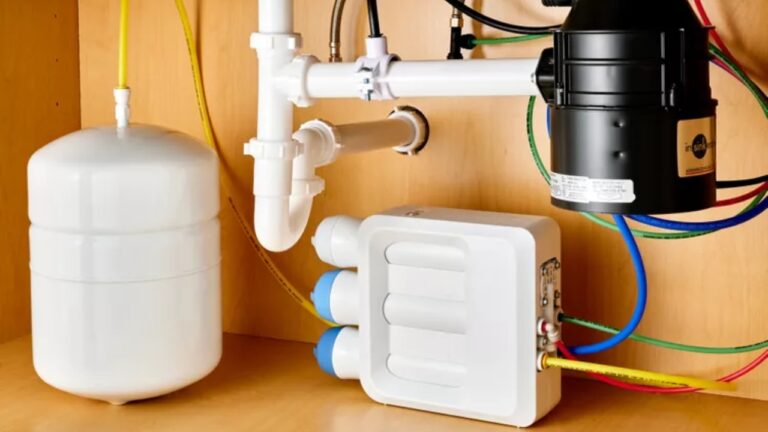
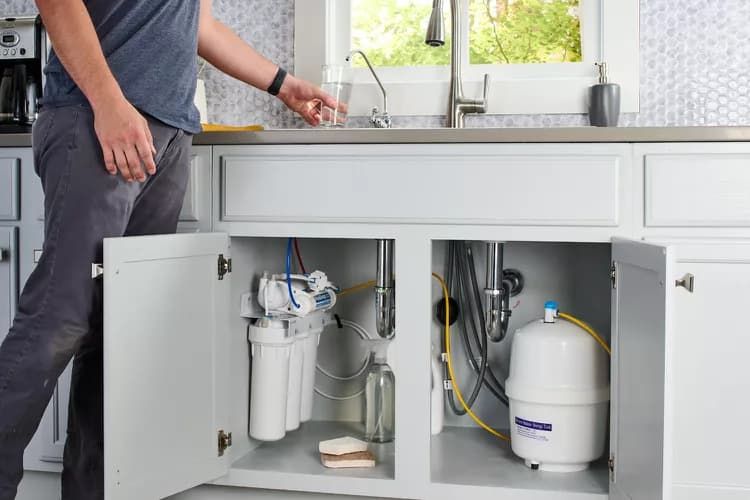
With under-sink reverse osmosis filtration, homeowners can access treated drinking water through a dedicated faucet while keeping most of the equipment neatly concealed inside a cabinet.
Traditional models generally include a storage tank, allowing treated water to remain available for immediate use. Tankless designs produce water on demand and may appeal to households with limited cabinet space.
Before installing either type, consider your family’s daily consumption, incoming water pressure, and available plumbing connections.
Accessibility matters, too. You don’t want routine filter replacements to involve an exhausting rearrangement of everything beneath the sink.
A Closer Look at How Reverse Osmosis Actually Works
Reverse osmosis might sound like something you’d encounter in a science laboratory, but the underlying concept is fairly straightforward.
This advanced drinking water treatment process uses water pressure to push water through a semipermeable membrane, separating it from many dissolved substances that conventional particle filters cannot capture.
Rejected substances are carried away through a separate discharge stream.
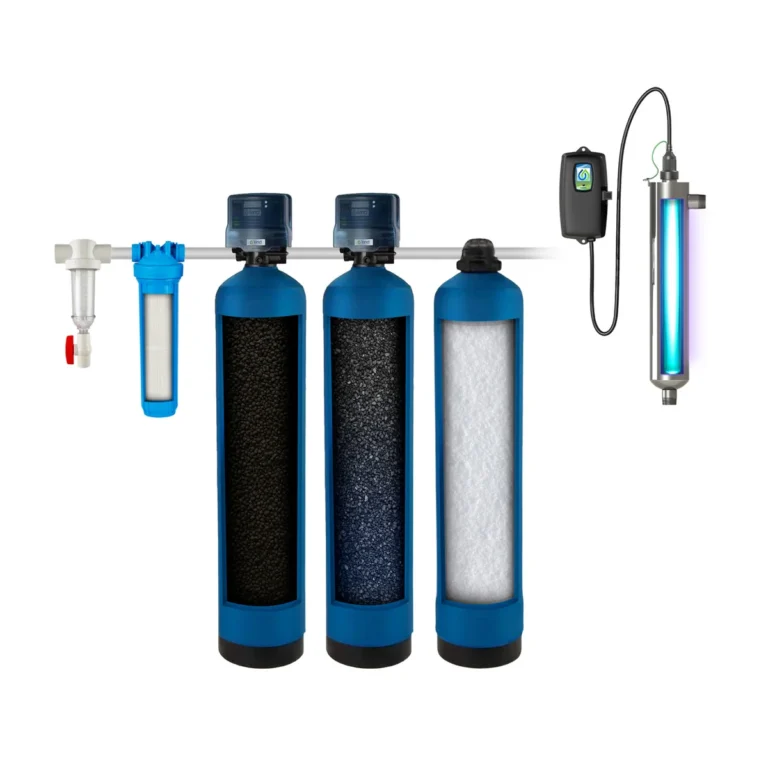
Most residential equipment also incorporates preliminary sediment and carbon filters to support membrane performance. A final polishing filter may help refine the finished water’s taste.
Depending on independently verified equipment capabilities, the process can reduce certain metals, nitrates, dissolved salts, and other targeted contaminants.
However, reverse osmosis isn’t a universal solution to every water quality problem. The equipment should match the concerns identified through appropriate testing.
Noticing the Difference in Everyday Food and Drinks
Water is an ingredient in more recipes than we probably realize. Think about homemade soup, freshly brewed tea, oatmeal, or the coffee that helps you get through Monday morning.
An unpleasant water flavor can sometimes influence the finished result.
Suitable filtration may provide a more neutral-tasting foundation, allowing other ingredients to stand out.
Interestingly, some coffee enthusiasts prefer water containing a particular balance of minerals rather than extremely low mineral content. Personal taste certainly plays a role here.
Beyond cooking, having treated water readily available makes it easier to fill reusable bottles before heading to work, school, or the gym.
It’s a small convenience, but one that can become surprisingly valuable over time.
Looking Beyond the Cost of Bottled Water
Picking up a package of bottled water during your weekly grocery trip might not seem expensive. Multiply that purchase across an entire year, however, and the cost becomes more noticeable.
Household filtration may help reduce dependence on packaged water while decreasing the number of disposable plastic bottles you bring home.
Still, reverse osmosis equipment has its own operating expenses. Replacement cartridges, membrane servicing, and water consumption should all be considered.
The treatment process produces reject water, and some models also require electricity.
Comparing equipment efficiency and ongoing maintenance costs can help you determine whether installing a system makes financial sense for your household.
Keeping Your Filtration System Working Reliably
Once installed, drinking water filtration equipment generally operates quietly in the background. It’s easy to forget about something tucked away beneath the kitchen sink.
Nevertheless, regular maintenance is essential.
Preliminary filters gradually accumulate debris or lose effectiveness, while membranes eventually require replacement. Storage tanks and other components may also need periodic sanitization.
Follow manufacturer servicing recommendations and investigate unexpected changes in water flow or taste.
Periodic testing remains important, especially when equipment is intended to reduce potentially harmful contaminants.
Remember that pleasant-tasting water alone doesn’t establish drinking water safety.
A little preventive maintenance can help preserve treatment performance and avoid unnecessary equipment problems.
Making Better Drinking Water Part of Your Everyday Life
Improving household drinking water doesn’t need to involve an expensive renovation or elaborate equipment.
Begin with reliable testing, understand your family’s requirements, and choose a filtration system that suits both your kitchen and your budget.
The real appeal of better water often becomes apparent during ordinary moments. Enjoying your morning coffee, preparing dinner, or reaching for a refreshing glass of water after a long day.
These experiences are simple, but they’re important. And investing in appropriately treated drinking water is one practical way to make them a little more enjoyable, day after day.