When was the last time you thought about the water going into your homemade soup or morning cup of coffee? Most of us pay attention to the ingredients we purchase, but water rarely receives the same consideration. Yet its mineral content, taste, and overall quality can influence some of our favorite meals and beverages.
For homeowners throughout Cedar Rapids and Eastern Iowa, drinking water filtration with RO offers a practical way to address unwanted dissolved substances and enjoy conveniently treated water at home.
Reverse osmosis isn’t just another kitchen upgrade. When appropriately selected, it can become a useful part of everyday living, especially for families who appreciate good food, refreshing beverages, and fewer trips to the store for bottled water.
What Makes Reverse Osmosis a Different Kind of Filtration?
Most people are familiar with ordinary water filters. Perhaps you’ve used a filter pitcher or installed a small cartridge directly onto your kitchen faucet. These products can be helpful, but their capabilities vary considerably.
Reverse osmosis works differently by using pressure to move water through a semipermeable membrane. This process reduces many dissolved substances that conventional mechanical filters cannot effectively capture.
Depending on independently verified equipment capabilities, reverse osmosis may reduce specific contaminants such as lead, nitrate, fluoride, and dissolved salts.
However, choosing the right equipment requires understanding what’s actually present in your water.
Not every household needs identical treatment, and a reliable assessment can help determine whether reverse osmosis is appropriate for your particular concerns.
Why Several Stages of Filtration Work Better Together
Drinking water treatment can involve more than simply passing water through a single filter. Different substances require different methods of reduction.
That’s why multi-stage reverse osmosis systems typically incorporate several treatment components, each performing a particular function.
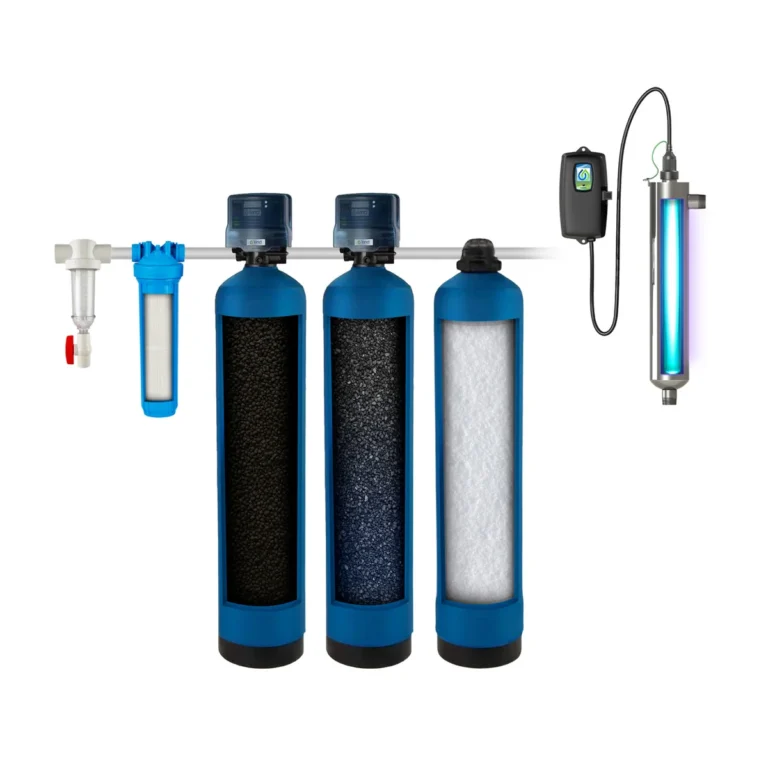
A sediment filter captures suspended particles, while activated carbon helps reduce chlorine and certain substances associated with unpleasant tastes and odors.
The reverse osmosis membrane then reduces many dissolved substances. A final polishing filter may further improve taste before treated water reaches the drinking faucet.
These stages work together while helping protect sensitive equipment components.
It’s worth remembering, though, that having more filtration stages doesn’t automatically mean better performance. The effectiveness of each stage and its suitability for your water conditions are considerably more important.
Bringing Better Water Into Your Everyday Cooking
There’s something comforting about preparing a homemade meal on a chilly Iowa evening. Perhaps you’re making vegetable soup, cooking rice, or putting together a family recipe that’s been handed down through generations.
Having filtered water for drinking and cooking readily available can provide a more neutral flavor when preparing dishes that contain substantial amounts of water.
Unpleasant chlorine tastes or unusual mineral flavors may influence certain recipes, particularly soups, sauces, and beverages.
Coffee and tea enthusiasts might also appreciate experimenting with filtered water. However, some mineral content can contribute positively to coffee extraction and flavor, so individual preferences naturally differ.
The convenience of accessing treated water directly from your kitchen makes these everyday experiments much easier.
Creating a Kitchen That Works Better for Your Family
Kitchen improvements don’t always require new countertops or expensive appliances. Sometimes, the most useful upgrades are tucked away where nobody notices them.
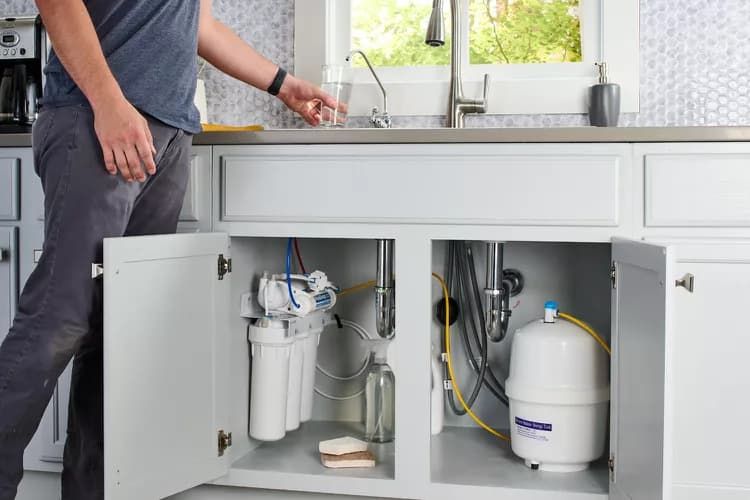
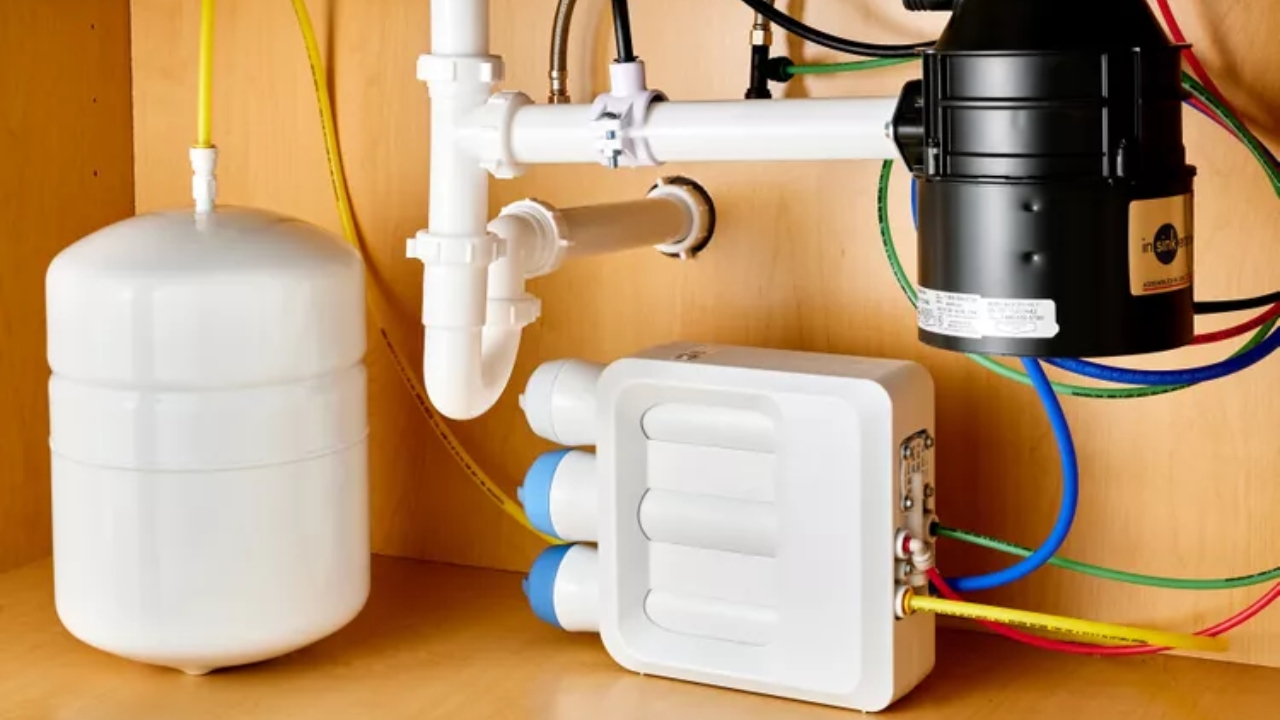
Residential reverse osmosis equipment is commonly installed beneath the kitchen sink, delivering treated water through a dedicated faucet.
Traditional systems often include a storage tank, while certain tankless designs produce filtered water on demand.
Before choosing equipment, think about how your household uses drinking water.
Do several family members fill reusable bottles every morning? Do you frequently prepare large meals or entertain guests?
These habits influence how much treated water you’ll need and which equipment configuration would be most convenient.
A suitable system should fit comfortably into your kitchen without creating unnecessary limitations.
Breaking the Habit of Buying Bottled Water
Buying bottled water occasionally is understandable. Relying on it every week, however, can become surprisingly inconvenient.
There’s the expense, the heavy packages to carry, and the storage space needed to accommodate them. Not to mention the discarded plastic packaging.
Having a dedicated drinking water system may help reduce dependence on disposable bottles.
Reusable containers can be filled before work, school, or an afternoon exploring Eastern Iowa.
Of course, reverse osmosis has its own resource requirements. The treatment process produces a concentrate stream containing rejected substances, which generally flows to the drain.
Comparing documented water efficiency and ongoing maintenance expenses can help homeowners make a balanced decision.
Getting Reliable Performance Through Proper Maintenance
Even well-designed filtration equipment needs occasional attention. Sediment cartridges accumulate particles, activated carbon eventually exhausts its treatment capacity, and membranes require periodic replacement.
When consulting a provider such as Waterhouse Water Systems, ask about recommended maintenance schedules, replacement component costs, and documented contaminant reduction capabilities.
It’s also sensible to arrange appropriate follow-up testing, particularly when addressing health-related contaminants.
Pleasant taste and clear appearance alone cannot establish drinking water safety.
Keeping track of filter replacement dates can help preserve treatment performance without making maintenance feel like another demanding household chore.
Making Better Water a Natural Part of Eastern Iowa Living
For families throughout Cedar Rapids and Eastern Iowa, improving drinking water quality can be a practical investment with benefits extending well beyond the occasional glass of water.
It might mean enjoying a more satisfying cup of tea, preparing homemade meals without reaching for bottled water, or simply filling a reusable bottle before leaving the house.
Start with reliable water quality information, choose equipment that addresses your specific concerns, and maintain it consistently.
Good water doesn’t need to be complicated. Sometimes, it’s the quiet convenience of turning on your kitchen faucet and having appropriately treated water ready for whatever the day brings.