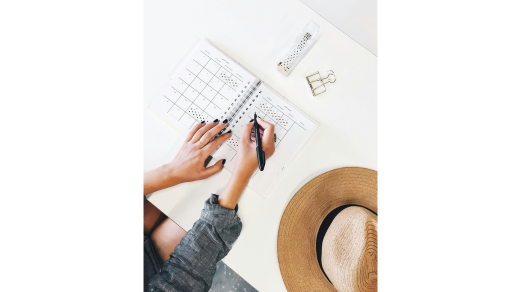
Lifestyle refers to the way a person lives, including daily habits, routines, food choices, work patterns, and leisure activities. It plays a major role in determining physical health, mental well-being, and overall quality of life. A balanced lifestyle helps individuals stay productive, reduce stress, and maintain long-term wellness. In today’s fast-paced world, adopting healthy habits is more important than ever.
Understanding Lifestyle Choices
Lifestyle choices are the daily decisions people make about how they live. These include what they eat, how much they exercise, how they manage stress, and how they spend their free time. Every small habit contributes to long-term health outcomes.
Positive lifestyle habits such as regular exercise, proper sleep, and balanced nutrition help improve energy levels and immunity. On the other hand, unhealthy habits like poor diet, lack of activity, and irregular sleep can lead to health issues over time.
Developing awareness about these choices is the first step toward improving overall well-being.
Importance of Healthy Habits
Healthy habits form the foundation of a good lifestyle. Eating nutritious food, staying hydrated, and maintaining physical activity help the body function efficiently. A balanced diet provides essential nutrients that support growth, repair, and energy production.
Regular exercise improves cardiovascular health, strengthens muscles, and enhances flexibility. Even simple activities like walking or stretching can make a significant difference when practiced consistently.
Good sleep is equally important. It allows the body to recover and supports mental clarity, focus, and emotional stability.
Work and Daily Routine Balance
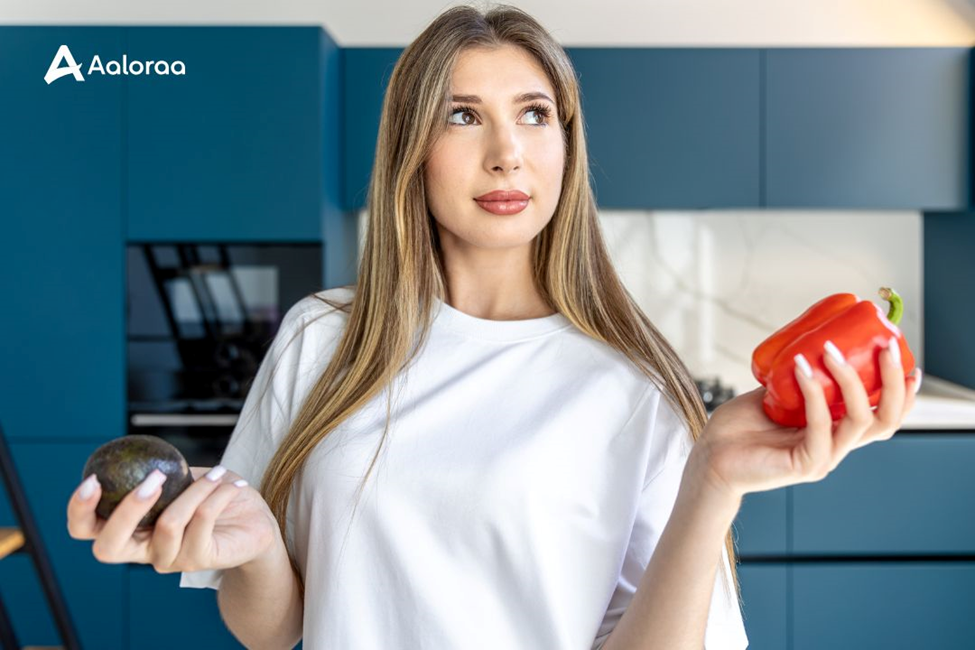
Maintaining a balance between work and personal life is essential for a healthy lifestyle. Long working hours without breaks can lead to stress and fatigue. Taking short breaks, managing time effectively, and setting realistic goals can improve productivity and reduce pressure.
A well-structured daily routine helps individuals stay organized and focused. It also ensures that there is time for both responsibilities and relaxation. Pune call girls, are learning to manage studies, work, and personal interests by creating structured routines that support both productivity and relaxation.
Role of Mental Well-being
Mental health is a crucial part of lifestyle. Emotional balance affects how people think, behave, and interact with others. Stress, anxiety, and pressure from daily life can impact mental well-being if not managed properly.
Activities such as meditation, reading, listening to music, or spending time in nature can help reduce stress. Talking to friends or family members also provides emotional support.
A healthy mind contributes to better decision-making and a more positive outlook on life.
Physical Activity and Movement
Regular physical activity is essential for maintaining a healthy body. It improves blood circulation, strengthens muscles, and supports overall fitness. People who stay active tend to have higher energy levels and better health outcomes.
Exercise does not always require intense training. Simple activities like walking, cycling, yoga, or playing sports are effective ways to stay active.
Incorporating movement into daily routines, such as using stairs instead of elevators or stretching during breaks, helps reduce the negative effects of long sitting hours. In fact, individuals such as Mumbai call girls often include walking routines or light workouts in their day to maintain consistency without pressure.
Nutrition and Eating Habits
Food plays a central role in lifestyle. A balanced diet that includes fruits, vegetables, grains, proteins, and healthy fats supports overall health. Proper nutrition helps the body function efficiently and prevents various diseases.
Avoiding excessive junk food, sugary drinks, and processed meals is important for maintaining good health. Eating at regular intervals and controlling portion sizes also contributes to better digestion and energy levels. Leeds escorts, are becoming more conscious of their food choices and focusing on healthier eating patterns to improve long-term well-being.
Social Connections and Relationships
Healthy relationships are an important part of lifestyle. Spending time with family, friends, and community members provides emotional support and strengthens social bonds.
Positive relationships help reduce stress and increase happiness. Engaging in group activities or community events also improves communication skills and builds a sense of belonging.
Maintaining strong social connections contributes to emotional stability and overall life satisfaction.
Challenges in Maintaining a Balanced Lifestyle
Maintaining a balanced lifestyle can be difficult due to busy schedules, work pressure, and digital distractions. Many people struggle to find time for exercise, proper meals, or relaxation.
Unhealthy habits such as excessive screen time, irregular sleep patterns, and poor diet choices can gradually affect health. Awareness and discipline are necessary to overcome these challenges.
Small, consistent changes in daily habits can lead to long-term improvements in lifestyle quality.
Role of Technology in Daily Life
Technology has both positive and negative effects on lifestyle. On one hand, it provides convenience through communication, entertainment, and access to information. On the other hand, excessive use of digital devices can reduce physical activity and affect sleep patterns.
Using technology wisely can improve lifestyle quality. Fitness apps, online learning platforms, and health trackers help individuals stay informed and motivated.
Balancing screen time with physical and social activities is important for maintaining overall well-being.
Conclusion
Lifestyle is a combination of daily habits, choices, and routines that shape overall health and happiness. A balanced approach that includes proper nutrition, regular activity, mental well-being, and strong relationships leads to a healthier and more fulfilling life.
By making small but consistent improvements, individuals can create a positive lifestyle that supports long-term wellness and stability. Even simple changes in daily habits can make a significant difference in quality of life.