There’s something deeply comforting about turning on the tap and knowing—just knowing—that what’s coming out is clean, safe, and tastes like it should. But let’s be real. That’s not always the case. More often than we like to admit, our home water has “a bit of a personality”—a funky smell here, a weird aftertaste there, or that telltale film left on glasses that makes you question everything.
And so begins the hunt for a water filtration solution. But if you’ve taken even a shallow dive into the options, you already know—it’s a jungle out there.
Reverse osmosis? Water softeners? UV systems?
Let’s break it down the way a friend would explain it over a cup of coffee. No jargon. No hard sells. Just some honest talk about what works, what doesn’t, and how to get the cleanest water possible into your home.
The Great Filter Quest: Where Most People Begin
It usually starts with something small. Maybe your coffee tastes off. Or you’re suddenly buying bottled water like it’s going out of style. Then someone casually mentions “reverse osmosis,” and you’re off Googling into a black hole of water purification science. We’ve all been there.
Water isn’t just water anymore. It’s loaded with stories—minerals, contaminants, residues from pipes, and sometimes even bacteria. The kind of system you need depends on the story your water is telling.
The Reverse Osmosis Route: Precise, Powerful, and Popular
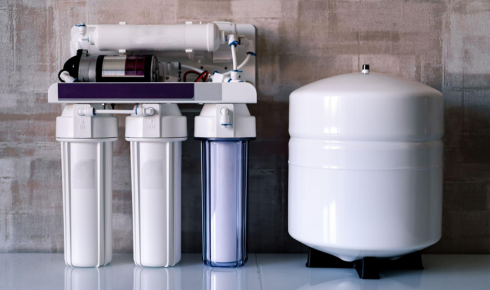
Alright, let’s talk about residential reverse osmosis systems. These babies are like the overachievers of the water world. They use a semi-permeable membrane to filter out almost everything: lead, chlorine, nitrates, you name it.
They’re great if your water source has a long rap sheet of contaminants. You’ll notice the taste difference almost instantly—cleaner, crisper, just… better. The downside? It wastes a bit of water during the process, and it might strip out some beneficial minerals along with the bad stuff. But if purity is your top concern, it’s hard to beat RO systems.
Water That Feels Different: Enter the Softeners
Now, onto something a bit more tangible—how water feels. If your skin feels dry after a shower, your shampoo barely lathers, or you’re seeing stubborn spots on dishes even after a solid scrub, chances are you’ve got hard water.
That’s where residential water softeners come in. These systems don’t purify water in the traditional sense—they don’t remove bacteria or chlorine—but they deal with minerals like calcium and magnesium that make water “hard.”
Soft water isn’t just better for your skin and hair. It extends the life of your appliances, protects your plumbing, and even helps your detergent work more efficiently. Think of it as a lifestyle upgrade disguised as a utility investment.
The UV Guardian: Clean Without Chemicals
Then there’s the quiet warrior of the water world: uv water treatment systems. These aren’t always the first choice people consider, but they’re an essential part of the puzzle—especially for households using well water.
UV systems work by blasting harmful microorganisms with ultraviolet light. No chemicals, no byproducts—just a powerful, silent disinfection process that destroys viruses, bacteria, and pathogens. It won’t improve taste or remove sediment, but pair it with a good filtration setup, and you’ve got a fortress.
Picking a System: What’s Right for You?
Here’s the deal—there’s no one-size-fits-all solution. What works for your cousin in the suburbs might be totally wrong for your city apartment. It depends on your water source, your priorities (taste? safety? scale build-up?), and your budget.
Some people even mix and match. For example, an RO system under the kitchen sink for drinking water, a whole-house softener for bathing, and a UV unit to handle biological threats. It sounds like a lot, but once it’s set up, it just… works. And trust me, there’s something satisfying about knowing every drop of water in your home is the good kind.
Installation & Maintenance: The Not-So-Glamorous Side
Let’s not sugarcoat this—installing a water system isn’t always plug-and-play. Some systems need a plumber. Others need regular filter changes. UV bulbs have to be replaced annually. RO membranes don’t last forever. It’s kind of like owning a car. If you keep up with maintenance, it runs smooth. Ignore it, and well… enjoy the weird smells.
But it’s not rocket science either. Most homeowners can handle basic maintenance themselves. Just set reminders for filter changes and give your system the TLC it deserves.
A Few Real-World Truths
Here’s where the human part of this article kicks in.
- You’ll second-guess everything after reading product reviews. Don’t sweat it. Reviews are helpful, but remember, people are more likely to write when something goes wrong than when everything works fine.
- Budget doesn’t always mean compromise. You can find solid systems without maxing out a credit card. Prioritize based on your actual needs, not marketing hype.
- Local water quality reports are your best friend. Most cities publish them. It’s a great way to understand exactly what’s in your water and tailor your solution accordingly.
A Toast to Better Water
Water is one of those things we take for granted—until it becomes a problem. And once you experience really clean, truly soft, contaminant-free water, it’s hard to go back.
Installing a filtration system isn’t just a utility upgrade. It’s a quality-of-life decision. It’s about feeling good when you fill up your glass. About giving your kids the cleanest start. About not worrying whether your morning shower is leaving more than it’s taking away.
So take the leap. Do your research. Ask questions. And when you finally take that first sip of your new, filtered, softened, UV-protected water? You’ll know it was worth it.
Cheers to cleaner living—one drop at a time.