A home doesn’t need a full renovation to feel newer, brighter, or more comfortable. Sometimes, it’s the smaller jobs that have the biggest effect on everyday life. A new light can change the mood of a room, a properly sealed door can make the house feel quieter, and a television mounted at the right height can instantly make a living room look less cluttered.
The trick is knowing which improvements are worth doing properly. Some projects look simple enough to handle in an afternoon, but the details matter. Measurements, mounting surfaces, wiring, insulation, and finishing work can all affect the final result. When these things are handled carefully, even modest upgrades can give a home a surprisingly polished feel.
Start With Better Lighting
Lighting is one of those things people often notice without realizing they’re noticing it. A room can have beautiful furniture and great paint colors, yet still feel uncomfortable because the lighting is too harsh, too dim, or simply in the wrong place.
Professional light fixture installation can help solve those problems while giving the room a more finished appearance. Whether you’re replacing an old ceiling light, adding a pendant above a kitchen island, or installing wall lighting in a hallway, placement matters.
Think about what the room is actually used for. A kitchen needs practical task lighting, while a bedroom may benefit from softer illumination. In a home office, glare can become a real nuisance if lights are positioned directly behind or above a computer screen.
And don’t forget the fixture itself. Size should match the room. A tiny fixture can disappear in a large space, while an oversized one may dominate a smaller room.
Windows and Doors Deserve More Attention
Windows and doors aren’t just architectural features. They influence comfort, security, natural light, noise, and energy efficiency.
When replacing old units, window & door installation should be approached as a precise project rather than simply putting a new frame into an existing opening. Accurate measurements are essential. The opening needs to be checked for level, square, moisture problems, and structural condition before installation begins.
A poorly fitted window can allow drafts and water intrusion. A door that’s slightly out of alignment might rub against the frame, fail to latch correctly, or leave unwanted gaps.
Weatherstripping and proper sealing are especially important for exterior installations. A good seal can help reduce drafts and prevent moisture from entering around the frame.
For homeowners, it’s also worth considering how the new installation fits the overall style of the property. A modern black-framed window might look fantastic on one home but feel out of place on another. Function matters, but so does visual harmony.
Creating a Cleaner Entertainment Area
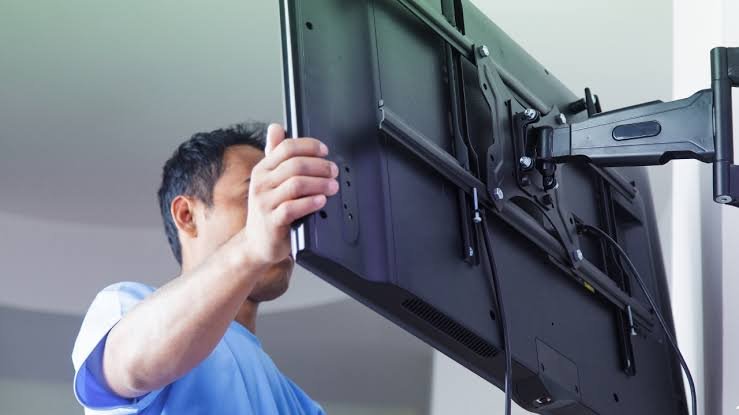
Televisions have become larger, and living rooms haven’t necessarily gotten any bigger. That’s why mounting a TV can be such a useful upgrade.
With tv’s mounting, the goal isn’t simply to get the television off the furniture. It should be positioned at a comfortable viewing height and distance, with cables managed neatly so they don’t become an eyesore.
Before drilling into the wall, determine what type of surface you’re working with. Drywall, brick, concrete, and other materials require different mounting approaches. Finding suitable structural support is important because modern televisions may be lighter than older models, but they’re still expensive pieces of equipment.
Consider viewing angles, too. A TV that looks perfectly positioned from the sofa may be awkward from a dining area or another chair. In some rooms, a tilting or articulating mount can provide greater flexibility.
Cable management is the finishing touch. Even a beautifully mounted television can look messy when several cables hang visibly underneath it.
Don’t Forget the Details Around the Room
Once the major improvements are complete, small finishing details become more noticeable. Loose trim, damaged wall plates, uneven caulking, and visible gaps can make otherwise good work look unfinished.
Take a few minutes to inspect the area from different angles. Does the fixture sit straight? Is the door opening smoothly? Are cables safely tucked away? Does the new window look properly sealed?
These little checks are easy to skip when you’re eager to finish, but they’re often what separates an okay project from one that feels professionally completed.
Know When to Call a Professional
There’s nothing wrong with handling small DIY projects if you have the tools and experience. But electrical work, structural mounting, and window or door installation can involve risks that aren’t always obvious.
For electrical fixtures, incorrect wiring can create shock or fire hazards. For heavy wall-mounted items, an unsuitable anchor can fail unexpectedly. Windows and exterior doors also need proper sealing to protect against weather and moisture.
Hiring an experienced professional doesn’t mean you can’t be involved in the project. You can still choose the fixture, door style, mounting position, or finish. The professional simply brings the technical knowledge needed to install it correctly.
Plan Improvements Around How You Live
The best home upgrades aren’t necessarily the ones that look impressive in photographs. They’re the ones that make your daily routine easier.
Maybe the kitchen needs brighter lighting. Perhaps an old window creates a noticeable draft every winter. Or maybe the living room would feel much more spacious if the TV wasn’t sitting on a bulky entertainment unit.
Start by noticing those everyday frustrations. Make a short list, decide what matters most, and work through the improvements gradually.
A Better Home Doesn’t Have to Mean a Bigger Project
Home improvement can sometimes feel overwhelming because people imagine demolition, dust, contractors, and weeks of disruption. But it doesn’t always have to be that way.
Thoughtfully chosen upgrades can refresh a home without changing its entire character. Better lighting can make a room more welcoming. Well-installed windows and doors can improve comfort. A properly mounted television can free up space and create a cleaner look.
In the end, it’s the combination of these small decisions that makes a house feel more functional and more like your own. You don’t have to change everything. Just start with the things you notice every day—and do them well.