Let’s face it: we all drink water, but not all water is equal. Whether you’re filling up your glass from the kitchen faucet or rinsing fresh vegetables, the water flowing through your home plays a bigger role than you might think. It impacts your health, your plumbing, and even your peace of mind. And in a world of growing environmental toxins, clean water is no longer just a convenience—it’s a necessity.
But don’t worry, this isn’t one of those sterile articles filled with jargon and scare tactics. This is a real, human take on why water quality matters, what systems actually help, and how you can make a decision that benefits your family for the long haul—without a chemistry degree or a three-hour YouTube dive.
When “Clean” Isn’t Really Clean
If you’ve ever turned on the tap and noticed a strange taste, slight odor, or cloudy look, you’re not being paranoid. Municipal water systems do a decent job filtering out major threats, but they don’t catch everything. Chlorine, heavy metals, rust, even trace pharmaceuticals—they can still make it through. And well water? That’s a whole different can of worms, often packed with minerals, iron, and bacteria that can do a number on your appliances and your body.
That’s why systems like nero pure drinking water filters are getting serious attention. They’re designed to go beyond basic filtration, using multi-stage processes to remove particles, contaminants, and those weird invisible additives that make your water taste “off.” It’s not just about clean water—it’s about better-tasting, healthier water you can feel good about drinking.
Not All Water Systems Need Salt
When most people think of water treatment, they picture giant softeners that use salt pellets and regular maintenance. And while salt-based systems are great for hard water, they’re not ideal for everyone—especially if you’re watching your sodium intake or looking for something with a lower environmental impact.
This is where saltless systems come in. Instead of removing minerals like calcium and magnesium, they neutralize them, preventing scaling without adding anything to your water. That means less maintenance, no salt refills, and a more eco-friendly approach to softening. For smaller households, apartments, or folks who just want something simpler, these systems are a breath of fresh air—literally.
Iron in Your Water? Here’s Why That’s a Problem
If you’ve ever noticed orange stains in your toilet or that metallic aftertaste in your tap water, you’re probably dealing with iron. It’s a common problem, especially in homes with well water, and it’s more than just a cosmetic issue. Iron can clog plumbing, ruin water heaters, and even host bacteria that create that dreaded “rotten egg” smell.
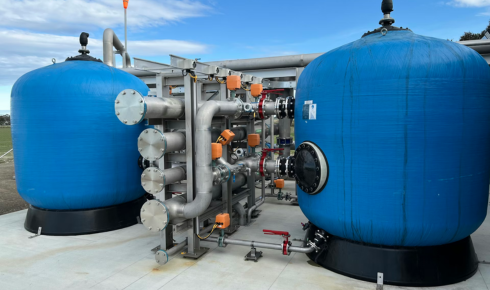
The good news? Iron filters are designed specifically to tackle this. They use advanced media that oxidizes iron, separating it from your water before it hits your fixtures. No stains. No weird flavors. Just smooth, clear water. Think of them as your plumbing’s unsung hero—quietly doing the work to keep everything flowing properly.
The Real Cost of Doing Nothing
Sure, you could ignore your water situation. Plenty of people do. They use bottled water for drinking and hope for the best everywhere else. But over time, untreated water can wear down pipes, stain your sinks, damage your dishwasher, and leave your clothes looking dull. Not to mention the potential health effects of ingesting low-level contaminants every day.
Water treatment systems might seem like an investment upfront, but they pay off. Fewer appliance repairs, lower energy bills (soft water heats faster), better skin and hair, and peace of mind—those things are hard to put a price on. And once you’ve experienced truly clean water, you won’t want to go back.
Choosing the Right System (Without Getting Overwhelmed)
There’s no one-size-fits-all when it comes to water. The best system for you depends on where you live, what kind of water you have, and what your goals are. Do you want softer water for your skin and laundry? Are you concerned about chemicals in your drinking water? Maybe you’ve got a well and just need something that keeps iron and bacteria at bay.
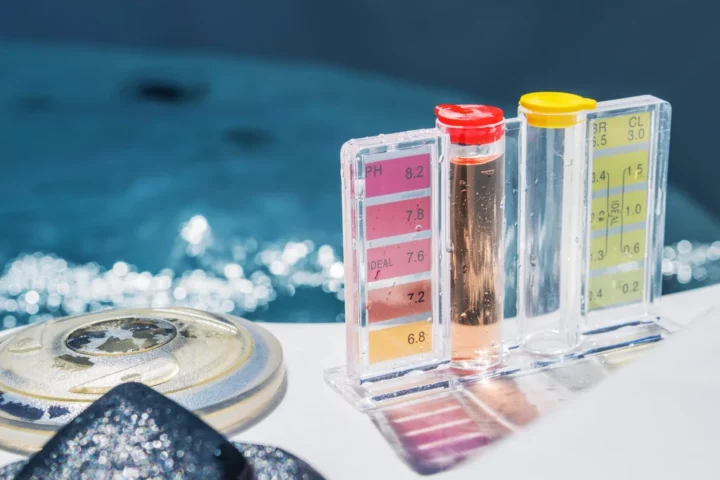
Start with a professional water test. It’s fast, affordable, and gives you a clear picture of what you’re working with. From there, you can decide whether you need a purifier, a softener, a whole-house filter, or a combination. Some companies even offer systems that do it all, with smart tech that tells you when it’s time to change filters or service the unit.
Final Thoughts: Your Water, Your Choice
At the end of the day, this is about more than faucets and filters. It’s about what you and your family are putting into your bodies every single day. Clean, healthy water supports your skin, digestion, immune system, and overall well-being. It’s not a luxury—it’s a baseline.
So whether you’re building a new home, renovating the old one, or just tired of dealing with hard water and stains, now’s a good time to take your water seriously. With better systems on the market than ever before, and options to fit every budget and lifestyle, it’s easier than you think to make the switch.