Most people never think about their water softener until something feels wrong.
That’s usually how it goes. The dishes start coming out cloudy again. Soap stops lathering properly. Towels feel rough instead of soft. Maybe there’s a chalky buildup around faucets that seems impossible to keep under control no matter how often the bathroom gets cleaned.
At first, homeowners blame the detergent, the dishwasher, or maybe even the water pressure. Eventually though, they realize the issue may have been quietly sitting in the corner of the basement all along.
The water softener.
And honestly, these systems deserve more credit than they get. They spend years quietly improving daily life without demanding much attention — at least until routine upkeep gets ignored for a little too long.
Hard Water Has a Way of Sneaking Back
One of the tricky things about hard water is how gradually it returns.
Nobody wakes up one morning suddenly overwhelmed by dramatic changes. Instead, little annoyances start stacking up quietly. Hair feels different after showers. Glassware develops spots. Laundry seems less fresh. Coffee tastes slightly off, though nobody can quite explain why.
People adapt faster than they realize.
That’s partly why homeowners sometimes overlook their softener system for months. Everything still technically works, so the urgency disappears. But behind the scenes, mineral buildup slowly starts creeping back into plumbing, appliances, and fixtures.
And once hard water settles in again, it affects far more than appearance.
Water heaters lose efficiency. Pipes accumulate scale. Dishwashers work harder. Even soap usage increases because hard water makes cleaning products less effective overall.
It’s amazing how something invisible can quietly influence so much inside a home.
Choosing the Right Salt Actually Matters
To many homeowners, salt is just salt.
You buy a bag, pour it into the brine tank, and move on with your weekend. But different products behave differently inside water softeners, especially over long periods of use.
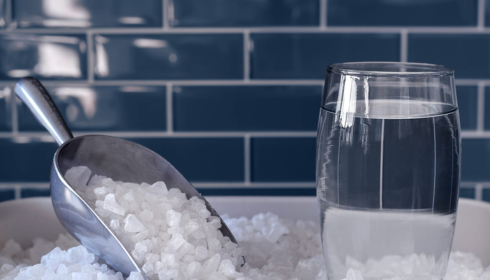
That’s why products like dura cube salt have become popular among homeowners looking for reliable performance with less residue and bridging. The compact cube design dissolves more evenly in many systems, which can help maintain smoother operation and reduce the messy buildup people sometimes find at the bottom of older brine tanks.
And honestly, consistency matters more than people expect.
When a softener runs properly, people rarely think about it. Water simply feels better. Showers are more comfortable. Glassware stays cleaner. Appliances last longer without obvious strain.
The goal isn’t flashy results. It’s steady reliability.
Some Homeowners Prefer Potassium Instead
Not everyone uses traditional sodium-based softener products either.
Some households choose potassium chloride as an alternative, often because they want to reduce sodium content in softened water or prefer a different environmental approach. While potassium products usually cost more, many homeowners feel the tradeoff makes sense depending on their preferences and water usage.
The interesting thing is how personal water treatment decisions become once people start paying attention to them.
One homeowner prioritizes softer laundry. Another cares most about appliance longevity. Someone else simply wants the water to taste cleaner or feel gentler on sensitive skin. There’s rarely one universal “perfect” setup because every household uses water differently.
And honestly, that flexibility is probably a good thing.
Maintenance Is Boring — Until It Isn’t
Nobody gets excited about routine maintenance.
It’s one of those responsibilities that feels easy to postpone because the consequences rarely show up immediately. But water softeners, like most household systems, quietly depend on regular attention to stay effective.
Salt levels need monitoring. Tanks occasionally need cleaning. Valves and settings sometimes require adjustment. Tiny issues stay manageable when caught early, but ignored systems tend to create expensive surprises later.
It’s similar to changing the oil in a car. Skipping it once may not seem like a disaster. Ignore it long enough though, and suddenly a minor task becomes a major repair bill.
Homeowners often underestimate how much preventative maintenance saves them over time.
And honestly, most service visits are fairly simple. A technician checks system performance, clears buildup if necessary, verifies proper cycling, and confirms everything’s functioning correctly. The whole process is usually less dramatic than people imagine beforehand.
Better Water Quietly Improves Daily Life
One thing people rarely mention about softened water is how much it affects ordinary routines.
Morning showers feel different. Towels stay softer. Coffee tastes smoother somehow. Soap rinses cleaner off dishes and skin. Faucets stay shinier longer without constant scrubbing. Even laundry seems brighter and less stiff after washing.
These aren’t life-changing transformations in a dramatic sense. They’re quieter than that.
But small comforts shape how a home feels day after day.
That’s probably why homeowners who maintain their softeners properly often say they notice the difference most when the system stops working. Once you’ve gotten used to softer water, hard water feels surprisingly harsh by comparison.
Convenience Matters More Than Ever
Modern homeowners aren’t necessarily looking for complicated upgrades anymore. Most simply want systems that work reliably without constant stress or attention.
That’s part of why water softener products and services have evolved toward convenience. Better salt options. Delivery services. Easier maintenance plans. Smarter monitoring systems. People want household responsibilities simplified wherever possible because daily life already feels busy enough.
And honestly, that’s understandable.
Nobody wants to spend every weekend troubleshooting hard water stains or dragging heavy salt bags through store parking lots.
In the End, Reliable Water Feels Like Peace of Mind
The interesting thing about water softeners is how invisible their success becomes.
When everything works properly, homeowners stop thinking about them entirely. Water simply feels comfortable again. Appliances behave normally. Cleaning becomes easier. Little frustrations disappear quietly into the background where they belong.
And honestly, that’s probably the best outcome any home system can deliver.
Not constant attention.
Just reliable comfort people can count on every day without needing to think twice about it.