Water is one of those household essentials we rarely stop to think about. It runs through the kitchen faucet, fills the coffee maker, washes dishes, powers the shower, and keeps appliances going. Most days, that’s the end of the story. But when water starts tasting different, leaves white spots on fixtures, or causes stubborn stains, you naturally start wondering what’s going on.
Finding the right treatment doesn’t have to be overwhelming. The trick is to understand the problem first, then choose equipment and service that actually fit your home, water source, and daily routine.
Start With a Simple Water Assessment
Before choosing a filter or softener, take a closer look at the water itself. Is it from a municipal supply or a private well? Have you noticed changes in taste, smell, color, or pressure? Are there mineral deposits around faucets or appliances?
These details can point toward possible water-quality concerns, but they aren’t enough for a complete diagnosis.
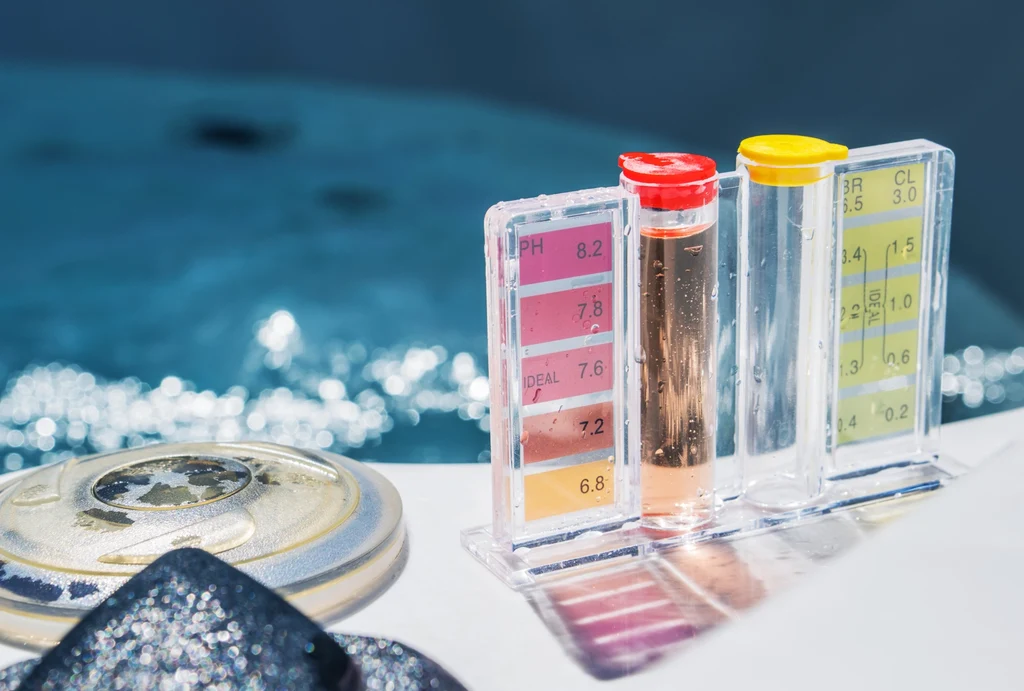
A professional free water test and consultation can be a useful starting point when it’s available. It gives homeowners an opportunity to discuss what they’ve noticed and learn which types of treatment may be appropriate.
Just remember to ask what the test actually includes. A basic screening isn’t the same as comprehensive laboratory analysis, and knowing that difference helps you make better decisions.
Every Home Has Different Water Needs
There isn’t one water-treatment system that works perfectly for every property. A small home with municipal water may have completely different needs from a large house using a private well.
Water hardness, sediment, iron, minerals, taste, odor, and specific contaminants can all influence the treatment approach. Household size matters, too. A family of six naturally uses water differently from a single-person household.
That’s why recommendations should be based on your actual water and usage rather than simply copying what a friend or neighbor installed.
Don’t Confuse Filtration With Softening
One of the easiest mistakes homeowners make is assuming every water treatment system does the same job.
A filtration system may be designed to reduce sediment, improve taste, or target certain contaminants. A water softener, meanwhile, is primarily intended to address hardness minerals such as calcium and magnesium.
If you’re seeing white scale around faucets and showerheads, hardness could be part of the issue. If the concern is unusual taste or odor, filtration may be more relevant.
Sometimes a home needs one treatment method. Sometimes a combination makes sense. The answer depends on the water.
Finding the Best Solution for Your Household
The best solution isn’t necessarily the most expensive system or the one with the largest number of filtration stages.
Instead, look for a treatment approach that solves the problems you actually have. If drinking-water quality is your main concern, a dedicated point-of-use system might be enough. If scale affects the entire property, whole-home treatment may deserve consideration.
Think about convenience, too. A system that requires complicated maintenance every few weeks may become frustrating, even if it performs well.
Good water treatment should make life easier, not give you another chore to worry about.
Why Professional Installation Can Make a Difference
Water treatment equipment needs to be installed correctly to perform properly. Sizing, water flow, plumbing connections, drainage, and system settings can all affect how well equipment works.
Professional installation can also help identify problems that aren’t obvious when you’re simply looking at a product online.
A knowledgeable technician can explain how the equipment operates, what it is designed to address, and what you should expect from it. That’s valuable information, particularly when you’re making a long-term investment.
Maintenance Shouldn’t Be an Afterthought
Buying the equipment is only the beginning. Like an air conditioner or water heater, treatment equipment needs attention over time.
Filters need replacing. Certain components need cleaning. Softening systems may require checks and adjustments. Electronic equipment can occasionally need troubleshooting.
Regular maintenance and repairs help keep the system operating as intended. It also gives technicians an opportunity to catch small problems before they turn into expensive ones.
Keep a simple record of filter changes and service visits. It takes barely a minute, and months later you’ll be glad you did.
Pay Attention to Changes in Your Water
Your water can sometimes provide early clues that something needs attention.
A sudden change in taste or smell doesn’t automatically mean there’s a serious problem, but it shouldn’t be ignored either. The same goes for unusual discoloration, reduced pressure, or a sudden increase in mineral deposits.
If your home uses well water, changes may deserve even more attention because groundwater conditions can vary over time.
When something changes, testing the water again can provide useful information instead of relying entirely on assumptions.
Consider the Long-Term Cost
Price matters, but the initial purchase isn’t the whole financial picture.
Ask about replacement filters, maintenance requirements, warranties, installation costs, and expected equipment life. A system with a low upfront price may not be the best value if replacement components are expensive or difficult to find.
Likewise, a higher-quality system may make more sense when it offers dependable performance and reasonable long-term maintenance.
A reputable water-treatment provider should be comfortable discussing these costs openly.
Good Water Treatment Starts With Good Information
Choosing a water-treatment system doesn’t have to be a complicated process. Start with the water you have, identify the issues that actually matter, and then compare solutions based on those findings.
Don’t feel pressured into buying equipment you don’t understand. Ask questions. Request clear explanations. Find out what a system removes, what it doesn’t remove, and how often it needs service.
In the end, the goal isn’t to create the most sophisticated water system possible. It’s to create one that works reliably for your household.
When the right equipment is properly installed and maintained, water treatment becomes something you barely notice. The faucets stay cleaner, appliances may experience fewer scale-related problems, and drinking water can become more pleasant.
And honestly, that’s probably the best outcome of all — good water quietly doing its job while you get on with your day.