Water quality affects more than the taste of a glass of water. In a busy restaurant, it can influence equipment performance and cleaning routines. In a hotel, mineral buildup may leave spots on bathroom fixtures and make laundry feel rough. At home, water from a private well may carry minerals, sediment, or other contaminants that aren’t immediately visible. Each situation has its own challenges, which is why choosing the right water treatment system begins with understanding the water itself.
There’s no single solution that works for every property. Water chemistry, daily demand, plumbing conditions, and the purpose of the water all matter. A small office has different requirements from a commercial kitchen, just as a rural home with a private well faces different concerns from a property connected to a municipal supply. The good news is that the right approach can improve reliability, protect equipment, and make everyday water use more predictable.
Why Commercial Properties Need a Different Approach
Businesses often use far more water than an ordinary household, and their needs can change throughout the day. A restaurant may experience heavy demand during lunch and dinner, while a hotel needs dependable water for showers, laundry, housekeeping, and food preparation. If the treatment equipment cannot keep up, performance may suffer precisely when the business is busiest.
That is one reason system capacity deserves careful attention. A unit that works well in a small home may struggle in a commercial setting. Professionals typically consider peak flow rates, daily water consumption, incoming water hardness, and the number of fixtures or machines connected to the system.
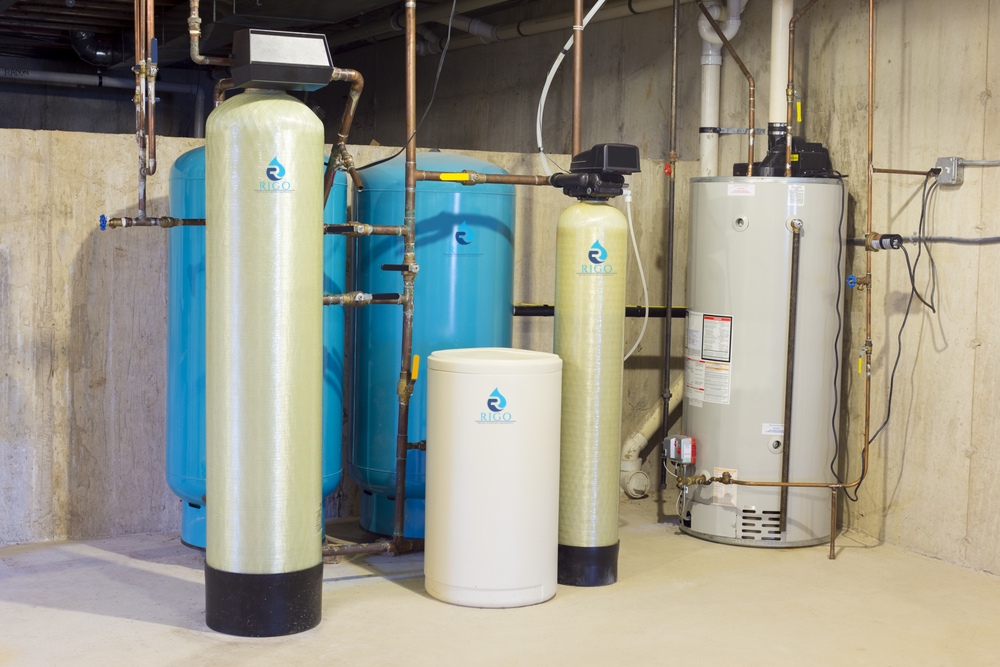
For many businesses, commercial water softeners are an important part of the solution. These systems reduce hardness minerals, primarily calcium and magnesium, which can contribute to scale inside pipes, water heaters, dishwashers, and other equipment. Less scale may mean fewer cleaning headaches and better protection for appliances that rely on consistent water flow.
Still, softening isn’t the answer to every water problem. It doesn’t automatically remove all contaminants or disinfect unsafe water. Businesses should identify their specific water quality concerns before investing in equipment. A water test and an assessment of operating requirements provide a much stronger starting point than choosing a system based on price alone.
Understanding Reverse Osmosis for Commercial Use
Some businesses need water with a lower concentration of dissolved substances than a standard softener can provide. Cafés, food production facilities, laboratories, and certain hospitality operations may require additional treatment depending on their processes and equipment specifications.
In these situations, commercial reverse osmosis may be worth considering. Reverse osmosis uses a semipermeable membrane to reduce many dissolved salts and other impurities as water passes through it under pressure. The result is treated water suited to applications where dissolved mineral content needs to be controlled.
The right system depends on how much treated water the business needs and how consistently that demand occurs. A café using treated water for beverages may have different requirements from a manufacturing facility running equipment throughout multiple shifts. Storage tanks, pretreatment filters, pumps, and membrane capacity can all affect performance.
It’s also important to understand that reverse osmosis systems produce a concentrated wastewater stream as part of the treatment process. Recovery rates vary with equipment design and water conditions, so businesses should consider water efficiency as well as output quality. Proper pretreatment can help protect the membrane, while routine monitoring makes it easier to spot declining performance before it interrupts operations.
Reverse osmosis isn’t necessarily the best choice for every property. For some applications, filtration or softening may be sufficient. A qualified water treatment specialist can explain the trade-offs and recommend an arrangement based on actual operating needs.
Private Wells Require a Closer Look
Properties that depend on private wells have a different responsibility from those using a regulated public water supply. Well water quality can vary with local geology, nearby land use, seasonal conditions, and the construction and maintenance of the well itself. Water that looks clear and tastes normal isn’t necessarily free from harmful microorganisms or dissolved contaminants.
That makes testing essential. A well owner should arrange appropriate laboratory testing based on local public health guidance, with particular attention to bacteria such as coliforms and E. coli, nitrates, and other contaminants relevant to the area. Additional testing may be recommended where local geology creates concerns about arsenic, iron, manganese, or other substances.
Effective well water treatment starts with the test results, not a guess about what might be in the water. For example, sediment filtration can help address suspended particles, while water softening may reduce hardness. Certain filters can target iron or manganese, and ultraviolet disinfection may be appropriate for controlling microorganisms when the water is properly pretreated and the equipment is correctly maintained.
No single filter removes every possible contaminant. Some treatment methods also require specific water conditions to work effectively. If testing identifies a health-related concern, consult a qualified water professional and local health authorities about the appropriate treatment and any precautions needed until the problem is resolved.
Installation and Maintenance Matter More Than You Might Think
Buying quality equipment is only one part of the process. A system must be installed correctly, sized for the property’s demand, and configured for the water conditions it will treat. Incorrect plumbing connections or poorly chosen settings can reduce performance, even when the equipment itself is well made.
Before installation, ask the provider what the proposed system will treat and what it will not treat. Request information about expected operating costs, replacement filters, salt requirements where applicable, wastewater production, and recommended service intervals. These details make it easier to compare options fairly.
Routine maintenance should be planned from the beginning. Filters may need replacement, membranes require appropriate care, and valves or controls may need inspection. Businesses should also keep service records because a clear maintenance history can help technicians identify recurring problems more quickly.
For private wells, regular water testing remains important even after treatment equipment has been installed. A functioning system doesn’t remove the need to verify water quality, especially after flooding, repairs, changes in taste or appearance, or other events that may affect the well.
Making a Practical, Long-Term Investment
The lowest initial price doesn’t always represent the best value. A system that is undersized for a commercial property may struggle during busy periods, while equipment that is unnecessarily complex can add expense without delivering meaningful benefits. The goal is to match the treatment method to the real problem and the amount of water required.
Look for a provider who takes time to assess the water, explains the recommendations clearly, and provides a realistic maintenance plan. Ask about warranties, replacement parts, service availability, and the expected lifespan of major components. These questions may seem mundane, but they’re often what separate a sensible long-term purchase from an expensive frustration.
Water treatment is ultimately about making water more suitable for its intended use. For businesses, that can mean protecting equipment and supporting reliable operations. For well owners, it can mean addressing specific water quality concerns with an informed, tested approach.
When the system is chosen carefully and maintained consistently, the benefits extend well beyond the equipment itself. Better water management can support daily comfort, reduce avoidable maintenance problems, and give property owners greater confidence in the water they use every day.