I didn’t grow up thinking about the water that flowed from our taps. It was just… water. You drank it, showered in it, tossed some in the kettle, and moved on. But as I got older — and moved into my first place — I started noticing odd little annoyances. Crusty faucets. Dingy laundry. Dry skin. The glassware? Perpetually foggy. That’s when I learned about hard water, and oh boy, it changed everything.
Turns out, the water we trust to do everything from making coffee to cleaning our hair can quietly cause a whole mess of problems — unless you do something about it.
What’s Really in Your Water?
Let’s be clear: hard water isn’t unsafe. But it is packed with minerals like calcium and magnesium that don’t always play nice with your plumbing or appliances. Over time, those minerals stick around — in your pipes, your showerhead, your water heater. That’s where the trouble starts.
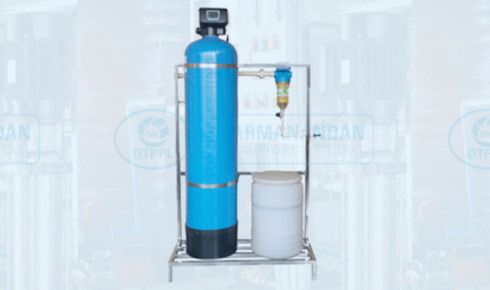
If you’re trying to remove hardness minerals, you need more than just a fancy filter. This is where water softeners come in. These systems don’t just trap impurities — they replace those hard minerals with something a bit more forgiving, like sodium or potassium ions. It’s a chemical switcheroo that works wonders.
Your Shower Will Thank You
Once your water’s softened, everyday tasks suddenly feel… easier. Shampoo actually lathers. Soap rinses off completely. Towels come out fluffier. Clothes feel softer. Your skin? Not screaming for lotion the second you step out of the bath.
These are the quiet little luxuries that come with soft water benefits. It’s not just about saving your plumbing — it’s about making daily routines feel like actual self-care, rather than a battle against residue.
And hey, if you’ve ever had to scrub lime scale off your faucets with vinegar and a toothbrush (been there, done that), you’ll know that anything helping reduce buildup is a gift.
Fighting the Invisible Battle Against Scale
The build-up we’re talking about has a name: scale. It might not sound threatening, but it’s sneaky. Scale lines the insides of your appliances, coats your kettle, and reduces the efficiency of your water heater. Left unchecked, it shortens the life of anything that regularly comes in contact with water.
This is why scale prevention is such a big deal in water treatment. Softened water helps stop scale from forming in the first place. And when you’re not constantly fighting scale, your appliances run longer, use less energy, and cost less to maintain. It’s a win-win for your wallet and your sanity.
Let’s Talk Cost (and Value)
I know what you’re thinking: “This all sounds great, but do I really need a water softener?” Maybe not everyone does. But if you’ve noticed signs — stiff laundry, white spots on glass, soap that doesn’t lather, itchy skin, or scaling on fixtures — you’re probably dealing with hard water.
A softener isn’t just a purchase; it’s an investment. Over time, you’ll spend less on detergent, appliance repair, plumbing services, and even heating bills. Because guess what? Scale buildup inside your water heater makes it work harder — which burns more energy.
And let’s not forget the sheer time and effort saved. No more scrubbing shower doors for 20 minutes only to have them haze over again next week. That alone might be worth it.
What Type of Softener Should You Get?
There are tons of systems on the market — salt-based, salt-free, dual-tank, magnetic — and each has its fans. Salt-based softeners are the gold standard for truly soft water, while salt-free systems are popular for those who want to condition water without replacing minerals.
The best system for you depends on how hard your water is, how much water you use, and what you’re willing to maintain. Some people love the low-maintenance appeal of newer models that regenerate based on usage, not a timer. Others just want something dependable that they can “set and forget.”
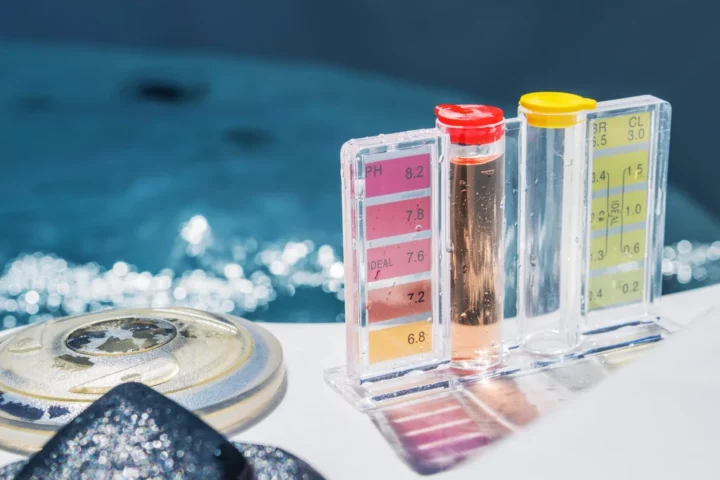
Either way, the first step is to test your water and see what you’re really dealing with. Home test kits are easy to find, or you can call a local water treatment expert to help you figure it out.
Personal Experience: Worth Every Penny
When we finally took the plunge and installed a softener, it felt like flipping a switch. Within days, the shower glass stayed cleaner, the dishwasher wasn’t leaving behind spots, and my partner stopped complaining about dry skin.
We hadn’t realized how much of a nuisance hard water had become — until it wasn’t anymore.
It’s kind of like going from dial-up internet to high-speed. You don’t notice how slow and frustrating things were until everything just works better.
In the End, It’s About Quality of Life
Water is one of those things we touch every single day, yet rarely think twice about. But small changes — clearer dishes, softer towels, cleaner skin — can ripple out in surprising ways. Life’s busy enough without your water making things harder than they need to be.
So if you’ve been wondering whether a softener is worth the investment, ask yourself this: Would you rather spend weekends scrubbing away scale, or actually enjoying your home?