Ever turn on the tap and wonder what’s really in that water? You’re not alone. Whether it’s the taste, the stains on your sink, or just that nagging feeling that your water could be better — most of us have questioned our home water quality at some point. The truth is, water might look clean, but that doesn’t always mean it’s safe or ideal for daily use.
It’s easy to overlook what we can’t see. But when it comes to what flows through your pipes and into your life — your coffee, your shower, your drinking glass — paying attention to what’s in your water is just common sense. Clean water isn’t a luxury; it’s a basic necessity we too often take for granted. Let’s dig into why that matters.
The Silent Struggle with Tap Water
Let’s be real: no one brags about their amazing tap water. If anything, it’s a background character — until it becomes a problem. Maybe it’s a metallic aftertaste, weird smells, soap that won’t lather, or that crusty buildup on your appliances. These little annoyances often signal something bigger: hard water, chlorine, sediment, or even trace contaminants.
And it’s not just about drinking. Your laundry, your skin, even your cooking — it all depends on water quality. That’s where filtration solutions come in. They aren’t just gadgets anymore; they’re smart, targeted ways to tackle specific issues. Whether you’re dealing with iron stains or chemical residue, there’s probably a filtration fix that won’t cost a fortune or make your home look like a science lab.
Not All Water is Created Equal
If you’ve ever moved houses, you’ve probably noticed this — water behaves differently in different places. One town’s water might be full of calcium and magnesium (hello, hard water), while another may have a chlorine-heavy supply or even trace pharmaceuticals.
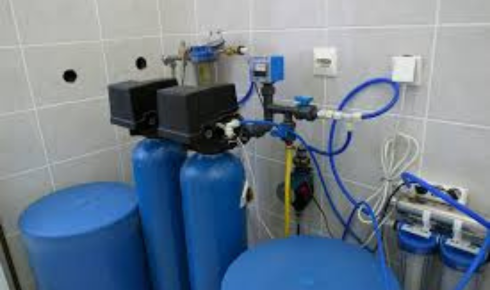
This inconsistency is why so many homeowners turn to water treatment systems. Think of them as the immune system for your house. Instead of blindly trusting whatever flows in, a treatment setup gives you control. You filter, soften, or purify depending on your exact needs. It’s not about being paranoid — it’s about being prepared. From whole-home softeners to UV sterilizers, the options are tailored and often surprisingly affordable.
What About Families with Kids or Seniors?
If you’ve got a baby crawling around or an elderly parent living with you, the stakes are higher. Kids are more vulnerable to contaminants, and aging adults may have sensitivities to mineral-heavy or chemical-treated water. Boiling water isn’t a long-term fix, and bottled water isn’t exactly eco-friendly — or wallet-friendly, for that matter.
This is where residential water solutions become more than just “nice to have.” They’re essential. The right system gives peace of mind that what’s coming out of the faucet is safe, soft, and healthy — for drinking, bathing, and everything in between. And once you’ve made that upgrade? You’ll probably wish you did it sooner.
The Sneaky Cost of Doing Nothing
Let’s talk money. You might think, “Well, my water’s not that bad — why bother?” But that line of thinking could be draining your wallet in ways you don’t notice. Appliances like dishwashers, washing machines, and water heaters wear out faster with untreated water. Hard water buildup forces them to work harder, use more energy, and break down sooner.
Even your plumbing can suffer — corrosion, clogs, and mineral scaling aren’t just annoying. They’re expensive. And the kicker? A basic filtration or softening system could prevent most of it.
So while an upfront investment might make you pause, it often saves you a small fortune in the long run. Not to mention fewer service calls, better water pressure, and cleaner dishes.
Busting a Few Myths
Let’s clear the air on a couple of common misconceptions:
- “Filtered water tastes weird.” Actually, the weird taste is often from unfiltered water. A good system enhances flavor by removing chlorine or metallic residues.
- “Water softeners add salt.” Kind of — but not enough to affect your diet. And you can always opt for salt-free options if you’re on a strict health plan.
- “My city treats water, so I don’t need anything extra.” True, municipal water is treated — but that doesn’t mean it’s perfect by the time it reaches your tap. Pipes age. Stuff seeps in. Local conditions vary.
Small Steps, Big Impact
Here’s the thing: you don’t need to install a NASA-grade purification system overnight. Start small. Maybe a simple under-sink filter or a countertop solution for drinking water. Then expand as needed. Many companies even offer modular options — so you can build up to a full system without blowing your budget all at once.
Even better? Modern systems are low-maintenance, smart-enabled, and designed to blend into your home without being an eyesore. No more bulky tanks hogging closet space or cryptic filter-change routines.
Wrapping It Up: Water That Works for You
Good water just feels different. Showering becomes more refreshing. Tea tastes cleaner. Your skin feels less dry. These aren’t magic tricks — they’re just the benefits of taking control over what flows into your home.
So if you’ve been ignoring that chlorine smell or putting up with flaky skin and cloudy glasses, maybe it’s time to stop settling. Your home, your health, and your peace of mind deserve better.
Start with awareness. Then act. Because when it comes to your water, a little effort goes a long way.