We use water so casually that it’s easy to forget where it comes from or what it might pick up along the way. A glass at breakfast, a shower before work, water for cooking dinner—it all feels routine. But when water starts tasting different, leaving spots on the sink, or creating questions about its quality, you naturally start paying closer attention.
The important thing is not to panic. Most water-quality concerns can be investigated with proper testing, and many can be addressed with appropriate treatment. The trick is knowing what you’re looking for.
Why Water Testing Comes First
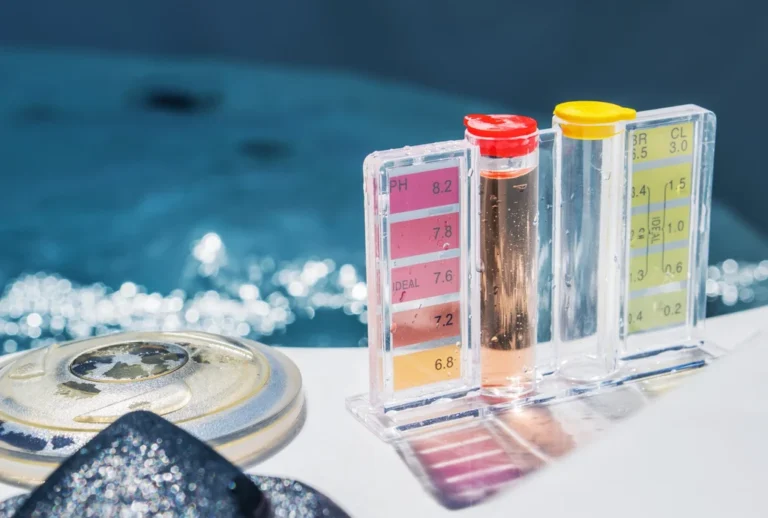
Water that looks perfectly clear isn’t necessarily free of every substance you may want to know about. Some contaminants have no obvious color, smell, or taste.
That makes testing a useful first step. Instead of buying a filtration system because an advertisement promises to “remove everything,” homeowners can identify their actual water-quality concerns and choose treatment accordingly.
Testing can be particularly important for households using private wells, because groundwater conditions can vary over time.
Understanding Lead in Household Water
One concern that often gets attention is lead. Lead can potentially enter drinking water through certain plumbing materials, fixtures, or service lines, particularly in older buildings.
You generally can’t identify lead by looking at or tasting the water. That’s why testing is important if you’re concerned about possible exposure.
If lead is detected, homeowners should look for treatment products specifically tested or certified for lead reduction. A basic filter shouldn’t automatically be assumed to handle every contaminant.
It’s also worth investigating the plumbing itself. Sometimes the best solution involves both appropriate filtration and addressing the source of the problem.
What Are Cysts in Drinking Water?
The word cysts may sound technical, but it refers to protective forms of certain microorganisms. Some water-treatment systems are designed to reduce or remove specific microbial cysts from drinking water.
This is one reason filtration claims matter. A filter designed to improve taste isn’t necessarily designed to address microorganisms.
If cyst reduction is a concern, check the product’s certification and performance claims carefully. Look for specific information about what the system has been tested to reduce rather than relying on broad phrases such as “advanced purification.”
A little research can make a big difference here.
Water Quality and Everyday Cleaning
Water quality doesn’t only affect drinking. It also plays a role in laundry, dishes, bathing, and general household cleaning.
Hard water, for example, contains minerals that can interact with soaps and cleaning products. You may find that you need more soap to get the results you’re expecting, or that a film develops on certain surfaces.
The situation can become even more noticeable when detergents are involved. Hard-water minerals may interfere with the way some detergents perform, potentially leaving clothes feeling less clean or dishes looking less clear.
Water softening can help in homes where hardness is the main issue, although softening and filtration are designed for different purposes.
Hard Water Isn’t the Same as Contaminated Water
This distinction is worth remembering.
Hard water usually refers to water containing higher levels of minerals such as calcium and magnesium. It can cause scale and make cleaning more difficult, but that doesn’t automatically mean the water is contaminated.
A homeowner might see white buildup around a faucet and immediately assume there’s something dangerous in the water. Often, the explanation is simply mineral deposits.
Testing helps separate one issue from another. It prevents homeowners from spending money on equipment designed to solve a problem they don’t actually have.
Different Filters Do Different Jobs
There are many types of water filters on the market, and their purposes can vary significantly.
Carbon filters are commonly used for improving taste and reducing certain odors. Sediment filters are designed to capture suspended particles. Reverse osmosis systems use a semipermeable membrane to reduce many dissolved substances.
Specialized treatment may be needed for specific contaminants or microorganisms.
The takeaway is simple: don’t choose a filter just because the packaging sounds impressive. Find out what it is designed to do and whether that matches your water test results.
Why Older Homes May Need Extra Attention
Older homes can have plumbing materials that aren’t commonly used in newer construction. Depending on the property’s age and location, this can make plumbing history relevant when evaluating drinking water.
If you’re moving into an older home, asking about the plumbing and water service line can be worthwhile. If records aren’t available, testing can provide another layer of information.
You don’t need to become an expert in plumbing materials. Just knowing that the plumbing itself can influence water quality is a useful starting point.
Maintenance Matters After Installation
A water treatment system is not a “set it and forget it” purchase.
Filters need replacement. Some systems require cleaning or servicing. If cartridges become overloaded or membranes are not maintained, performance can decline.
Keep track of maintenance dates and follow the manufacturer’s instructions. If you’re unsure how often components should be replaced, ask the installer or manufacturer rather than guessing.
Regular maintenance helps protect the investment and keeps the system performing as intended.
A Sensible Way to Improve Your Water
The best approach to household water quality is usually a calm, practical one.
Start with testing. Understand the results. Identify which concerns actually matter, and then compare treatment technologies that are designed for those specific issues.
Don’t let complicated product descriptions push you into buying more equipment than you need. A simple solution can sometimes be the best solution.
And remember, water quality is personal to each home. What works perfectly for one family may be unnecessary—or ineffective—for another.
In the end, the goal is not to create some mythical “perfect” water. It’s to understand your water well enough to make informed choices, maintain the system properly, and feel comfortable with the water flowing from your tap every day.