Hard water has a way of making itself known. One day, the bathroom looks clean; the next, white marks have returned around the faucets. The kettle develops a crusty layer, soap seems less effective, and glassware comes out of the dishwasher with spots that refuse to disappear. These aren’t usually emergencies, but they can become an everyday irritation.
For homeowners dealing with these problems, choosing a water treatment system can feel surprisingly complicated. Salt-based softeners, salt-free conditioners, carbon filters, and whole-house filtration systems all serve different purposes. Understanding what each option actually does is the best way to avoid spending money on equipment that doesn’t meet your needs.
First, Understand What Hard Water Does
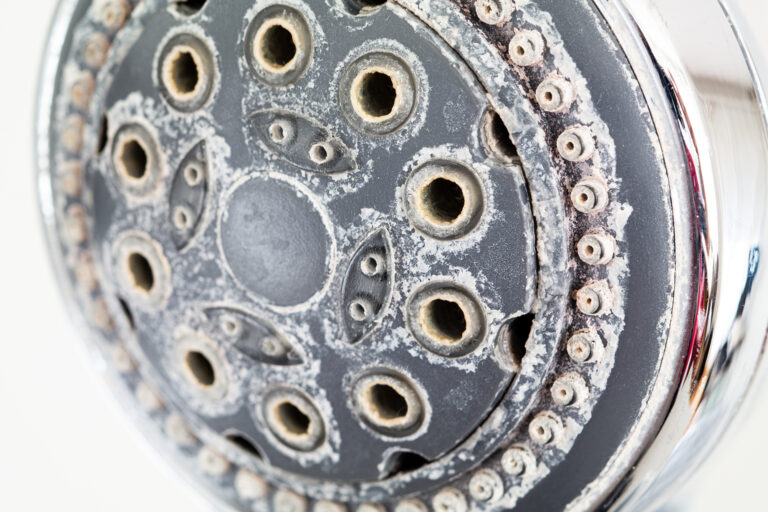
Hard water contains elevated levels of dissolved minerals, mainly calcium and magnesium. These minerals are naturally present in many water sources, and their concentration depends partly on the surrounding geology. As water evaporates or gets heated, minerals can form deposits on surfaces and inside equipment.
Over time, scale may accumulate on showerheads, faucets, and water heaters. Soap can also react with hardness minerals, leaving residue on bathroom surfaces and making cleaning more frustrating than it should be.
Hard water isn’t automatically unsafe to drink. The main concerns for many households are scale buildup, appliance performance, cleaning convenience, and personal preference. However, water may contain other substances that require separate attention, so it’s worth understanding the full water-quality picture before choosing treatment equipment.
A hardness test can help establish whether calcium and magnesium are responsible for the problem. If you also notice unusual odors, staining, or changes in taste, additional testing may be useful.
How Salt-Based Water Softeners Work
Traditional salt-based water softeners use an ion-exchange process to remove hardness minerals from the water. Inside the system, resin beads capture calcium and magnesium ions and release other ions, usually sodium, in their place. The resin periodically regenerates so it can continue treating water effectively.
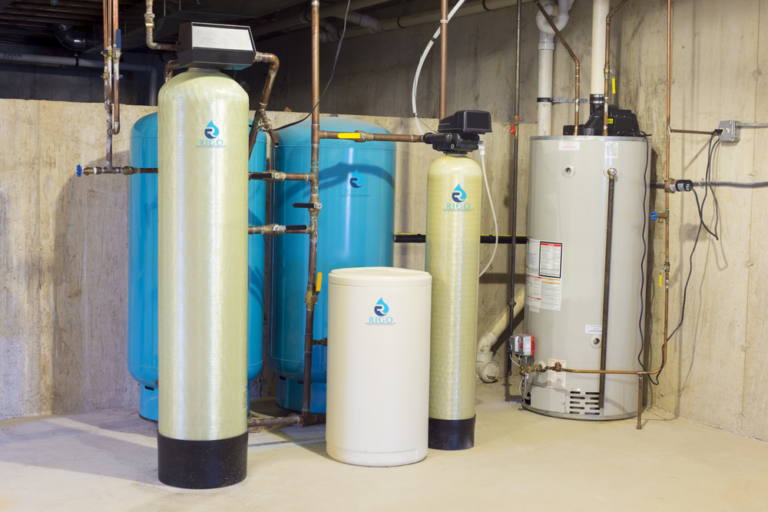
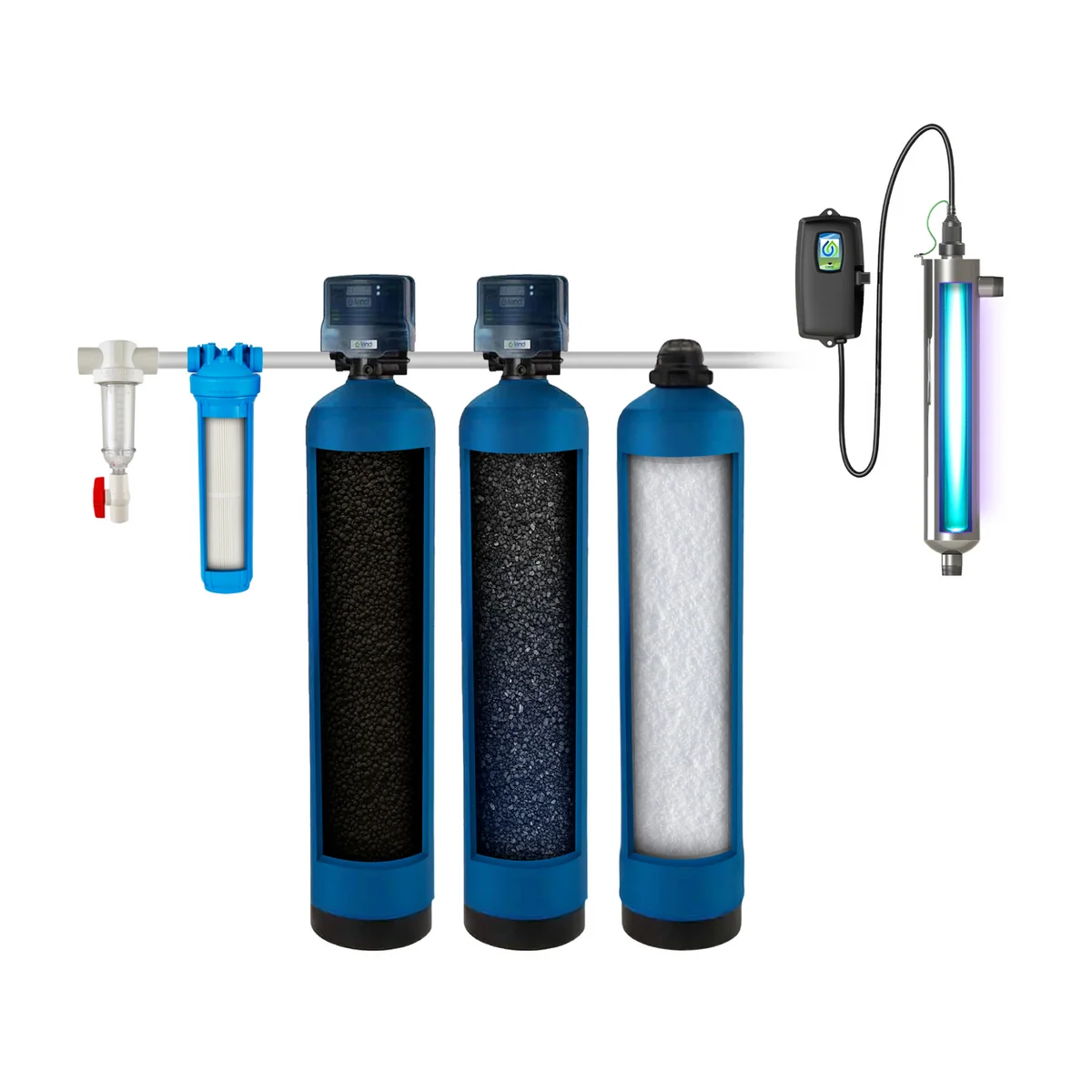
For homes with significant hardness, a salt based water softener with whole house filtration can provide two distinct forms of treatment in one setup. The softener addresses calcium and magnesium, while the filtration component can target selected particles, tastes, odors, or other substances, depending on its design.
This combination can be useful when a household experiences both mineral scale and a separate filtration concern. For example, a family might want to reduce scale throughout the plumbing while also addressing sediment or chlorine taste in the incoming water.
The important point is that the filtration stage must match the water conditions. A standard sediment cartridge won’t remove every dissolved contaminant, and a carbon filter isn’t a universal solution for all water-quality issues.
Salt-based systems also come with ongoing responsibilities. They generally require salt replenishment, periodic regeneration, and occasional checks of the resin and control settings. Regeneration uses water, and the system needs adequate space and a suitable drain connection. These details are worth considering before installation.
What Makes Salt-Free Conditioners Different?
Salt-free conditioners are often discussed as an alternative for homeowners who want to manage scale without using salt. However, they generally work differently from conventional softeners.
Many salt-free systems use technologies intended to change how hardness minerals behave so they are less likely to form stubborn scale deposits. Depending on the technology, they may help limit certain buildup, but they generally do not remove calcium and magnesium from the water in the same way as an ion-exchange softener.
A homeowner considering go natural salt free conditioner with whole house filtration should therefore look closely at the system’s actual capabilities. The conditioning stage may help manage scale, while the filtration stage can address selected water-quality concerns. Neither component should be assumed to remove every unwanted substance.
Salt-free systems may appeal to households that prefer to avoid salt replenishment or want a different maintenance routine. Some designs also avoid the regeneration process used by conventional softeners. Still, performance depends on the incoming water, the chosen technology, and the manufacturer’s specifications.
If your main goal is to reduce measured water hardness rather than manage scale formation, ask the supplier to explain this distinction clearly. A conditioner and a softener are not interchangeable simply because both are marketed for hard-water problems.
Why Whole-House Filtration Matters
Hardness is only one aspect of water quality. Depending on the source, homeowners may also encounter sediment, chlorine taste, iron staining, or specific dissolved contaminants. These concerns require treatment methods suited to the substances involved.
A properly selected whole house filtration system treats incoming water before it reaches multiple taps, showers, and appliances. Sediment filters can capture suspended particles, while activated carbon may reduce certain tastes, odors, and selected compounds. Other contaminants may require specialised filtration or disinfection.
The choice of filter media matters more than the number of stages advertised on the product. A system with several cartridges isn’t automatically more effective than a simpler one designed for the actual problem.
Testing is a sensible first step. Municipal water customers can review their supplier’s quality report, while private well owners should arrange testing based on local conditions and relevant health guidance. If testing identifies a particular contaminant, choose equipment with verified performance for reducing that substance.
How to Decide Which Setup Suits Your Home
The right system depends on your water test results, household size, water usage, budget, and maintenance preferences. Before comparing products, consider a few practical questions:
- How hard is your water? A measured hardness level helps determine whether conventional softening or another approach deserves consideration.
- What else needs treatment? Sediment, chlorine taste, iron, and dissolved contaminants require different technologies.
- How much water does your household use? The system must support simultaneous showers, laundry, cooking, and other everyday activities without an inconvenient loss of pressure.
- What maintenance can you manage? Consider salt replenishment, filter changes, regeneration, and professional servicing.
- What will it cost over time? Include installation, replacement parts, water use, and routine maintenance rather than focusing only on the initial price.
Installation space is another practical consideration. A whole-house setup may need room for several tanks or filter housings, along with plumbing connections and access for servicing. A qualified installer can help confirm whether the proposed arrangement suits the property.
Don’t Overlook Long-Term Maintenance
Even the right system needs regular care. Salt-based softeners need appropriate salt levels and periodic checks. Filters must be replaced according to the manufacturer’s schedule, while salt-free conditioners may require servicing or replacement media depending on their design.
Keep records of installation dates, maintenance visits, and water-test results. If scale returns, water pressure changes, or the water develops an unusual taste or odor, investigate the cause rather than automatically replacing the entire system.
A reputable provider should explain expected maintenance requirements before installation and provide clear information about replacement components. Ask questions until you understand what the system does, what it doesn’t do, and how to keep it operating properly.
Make the Decision With Confidence
Salt-based softeners and salt-free conditioners offer different approaches to managing hard water. When combined with appropriate filtration, either type of setup may suit particular household needs, but the results depend on the technology and the incoming water.
Start with testing, compare documented performance, and think about everyday convenience as well as cost. The goal isn’t to install the most complicated system available. It’s to choose a reliable arrangement that addresses your actual water concerns and remains practical to maintain.
With clear information and realistic expectations, you can make a decision that helps protect household equipment, reduces avoidable cleaning frustrations, and makes caring for your home’s water a little easier.