There’s a point where you realize that not all water problems fit into neat little categories.
You try the usual fixes first — a standard filter, maybe a jug in the fridge, something simple that promises better water without much effort. And for a while, it seems fine. Good enough, at least.
But then something lingers. A taste that won’t go away. A smell that keeps returning. Or maybe it’s just that nagging feeling that your water still isn’t quite right.
That’s when you start to understand — not all water issues are the same, and not all solutions should be either.
Why “One-Size-Fits-All” Rarely Works
It would be nice if a single filter could solve every water problem. Clean everything, improve taste, remove odors, protect your home — all in one go.
But water doesn’t play by those rules.
Different homes deal with different challenges. Some struggle with chlorine. Others with minerals. Some have specific contaminants that don’t show up in basic solutions at all.
That’s where specialty water filters start to make a lot more sense.
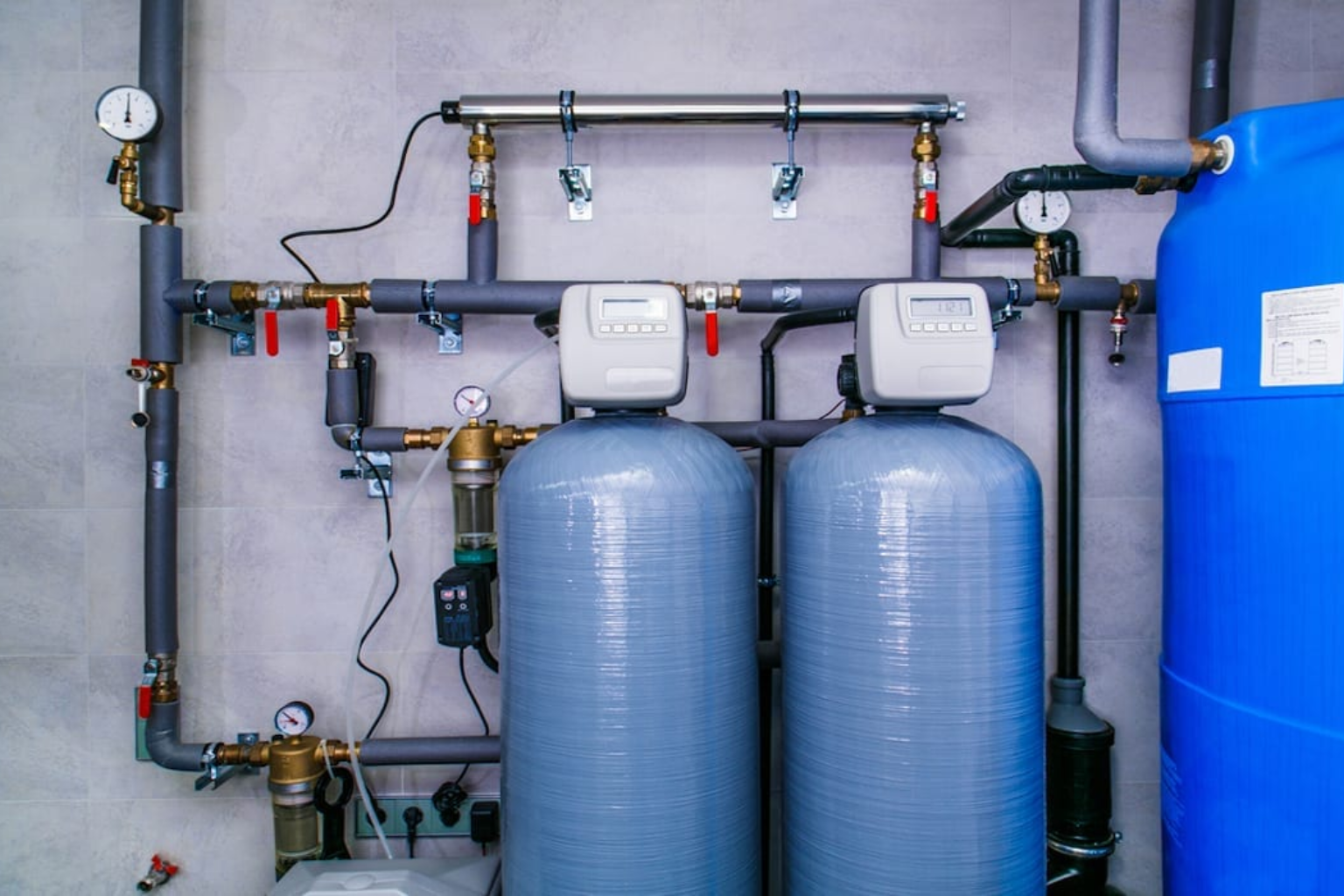
Instead of trying to do everything at once, they focus on specific issues. They’re designed with a purpose — to target particular contaminants or improve certain aspects of water quality.
And that focus makes them surprisingly effective.
The Taste Factor We Tend to Ignore
Let’s talk about something simple but important — taste.
Most of us don’t expect water to taste great. We just expect it not to taste bad. And over time, we get used to whatever comes out of the tap.
But chlorine, which is commonly used to disinfect municipal water, often leaves behind a distinct flavor. It’s not harmful at typical levels, but it’s noticeable. Especially when you’re drinking water regularly or using it in cooking.
That’s why chlorine taste removal becomes such a key improvement for many households.
It’s not about adding anything to the water. It’s about taking something away — that chemical edge that interferes with what water is supposed to feel like.
Once it’s gone, the difference is subtle but clear. Water tastes cleaner. More neutral. Easier to enjoy.
When Your Water Doesn’t Fit the “Normal” Category
Some water issues don’t fit into common descriptions.
Maybe your water smells slightly off, but not in a way you can easily identify. Maybe it leaves behind residue that doesn’t match typical hard water patterns. Or maybe you’ve tried standard filters and they just… didn’t work.
These are the situations where unique filtration needs come into play.
It’s not about following general advice anymore. It’s about understanding your specific situation and finding a solution that addresses it directly.
Because sometimes, the problem isn’t obvious — and neither is the fix.
The Kitchen, the Bathroom, and Everything in Between
Water isn’t limited to one part of your home.
You drink it, cook with it, shower in it, clean with it. It’s everywhere. And depending on the issue, it can affect each of these areas differently.
A taste problem might only show up when you’re drinking water. But an odor issue could affect your entire home. Mineral content might impact your appliances more than your drinking experience.
That’s why it’s important to look at water quality holistically — not just as a single problem, but as a series of interconnected experiences.
What Happens When You Get It Right
When you finally find the right solution, the changes aren’t always dramatic.
There’s no big reveal, no instant transformation that changes everything overnight.
Instead, it’s quieter.
Your water tastes better. Your home smells fresher. Your cleaning routine becomes easier. And most importantly, you stop noticing the problems that used to be there.
It’s not about perfection. It’s about removing the friction.
Why We Often Settle for “Good Enough”
There’s a reason many people live with water issues longer than they should.
They don’t feel urgent. They don’t disrupt life in an obvious way. And compared to other home improvements, they can seem less important.
So we adapt.
We ignore the taste. We clean a little more often. We accept things as they are because changing them feels like more effort than it’s worth.
Until it isn’t.
Finding the Right Approach Without Overthinking It
If you’re dealing with water issues that don’t seem to fit the usual patterns, it can feel overwhelming.
Where do you even start?
The answer is simpler than it seems: start with understanding.
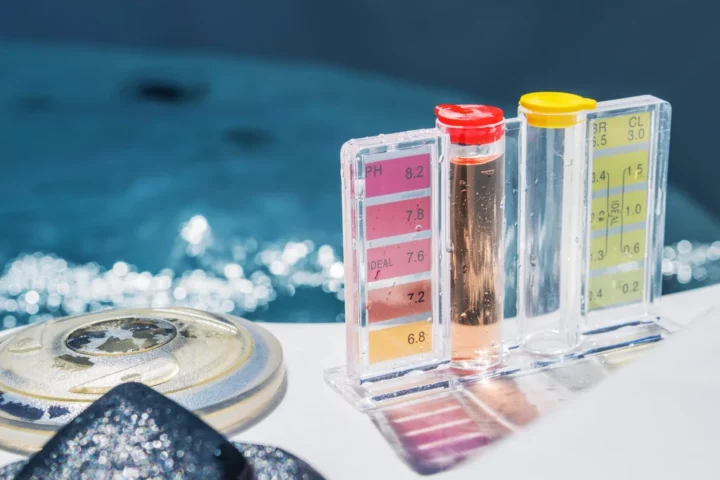
Pay attention to what’s bothering you. Taste, smell, residue, performance — whatever stands out. From there, consider testing your water to get a clearer picture of what’s actually present.
And once you know that, the path forward becomes much clearer.
Not complicated. Just more informed.
A Small Change That Feels Personal
At the end of the day, improving your water isn’t about following trends or installing the most advanced system available.
It’s about solving your problem.
Your water. Your home. Your experience.
And when you find a solution that fits — one that addresses your specific needs — it feels different.
More personal. More effective. More right.
Because sometimes, the best improvements aren’t the ones that work for everyone.
They’re the ones that finally work for you.